Local knowledge
Local Expertise in Indianapolis — We Know This Area
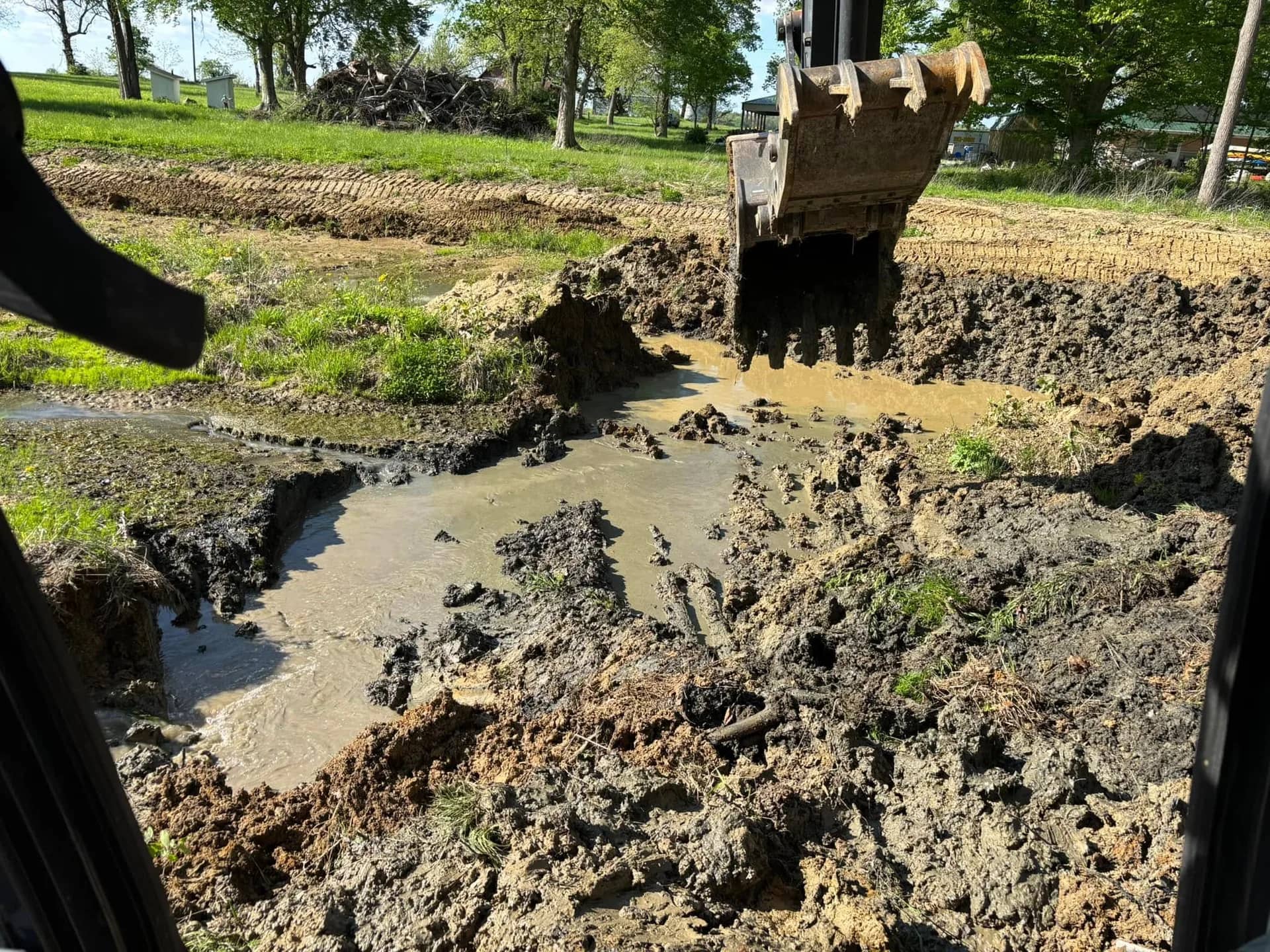
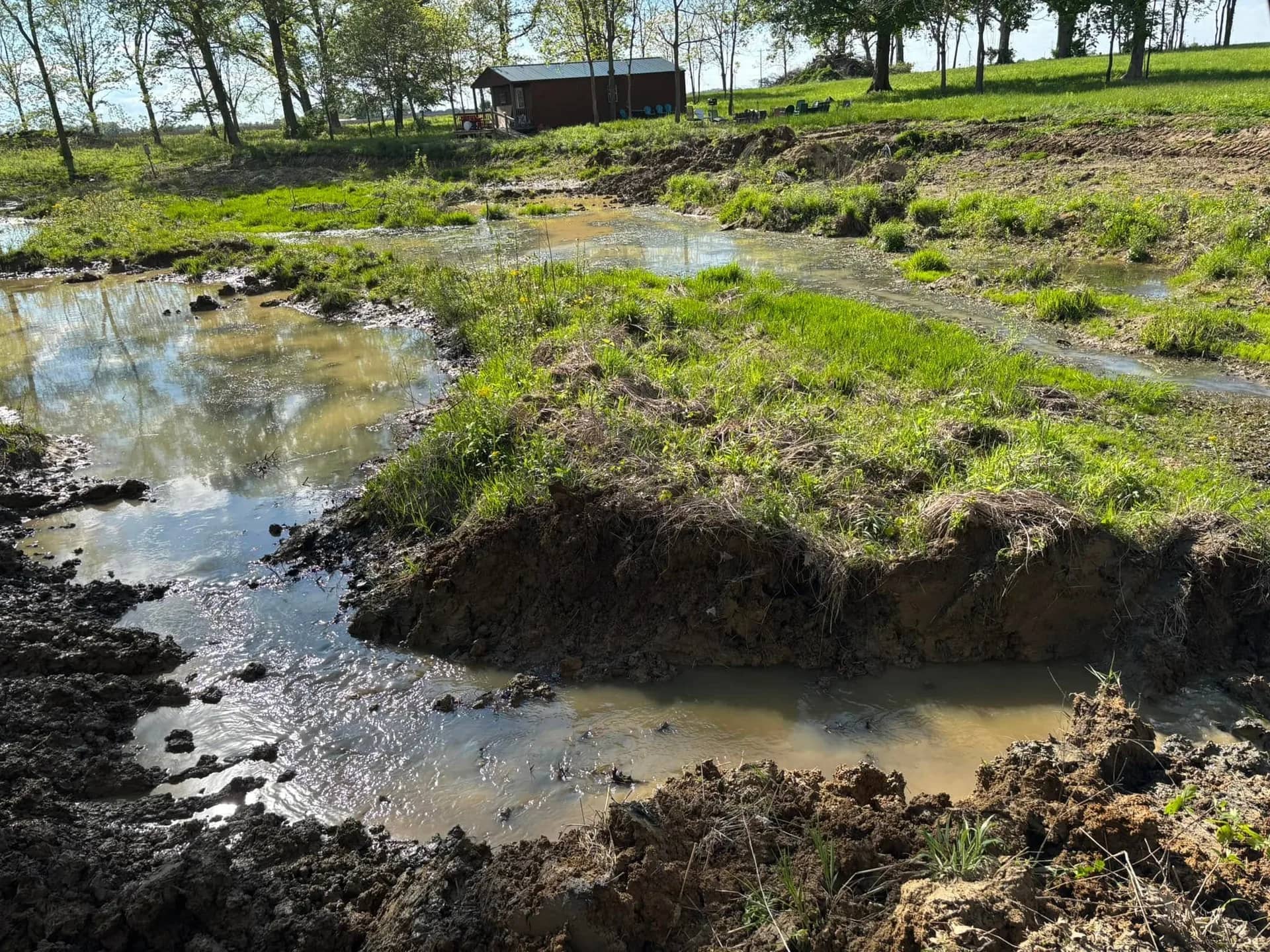
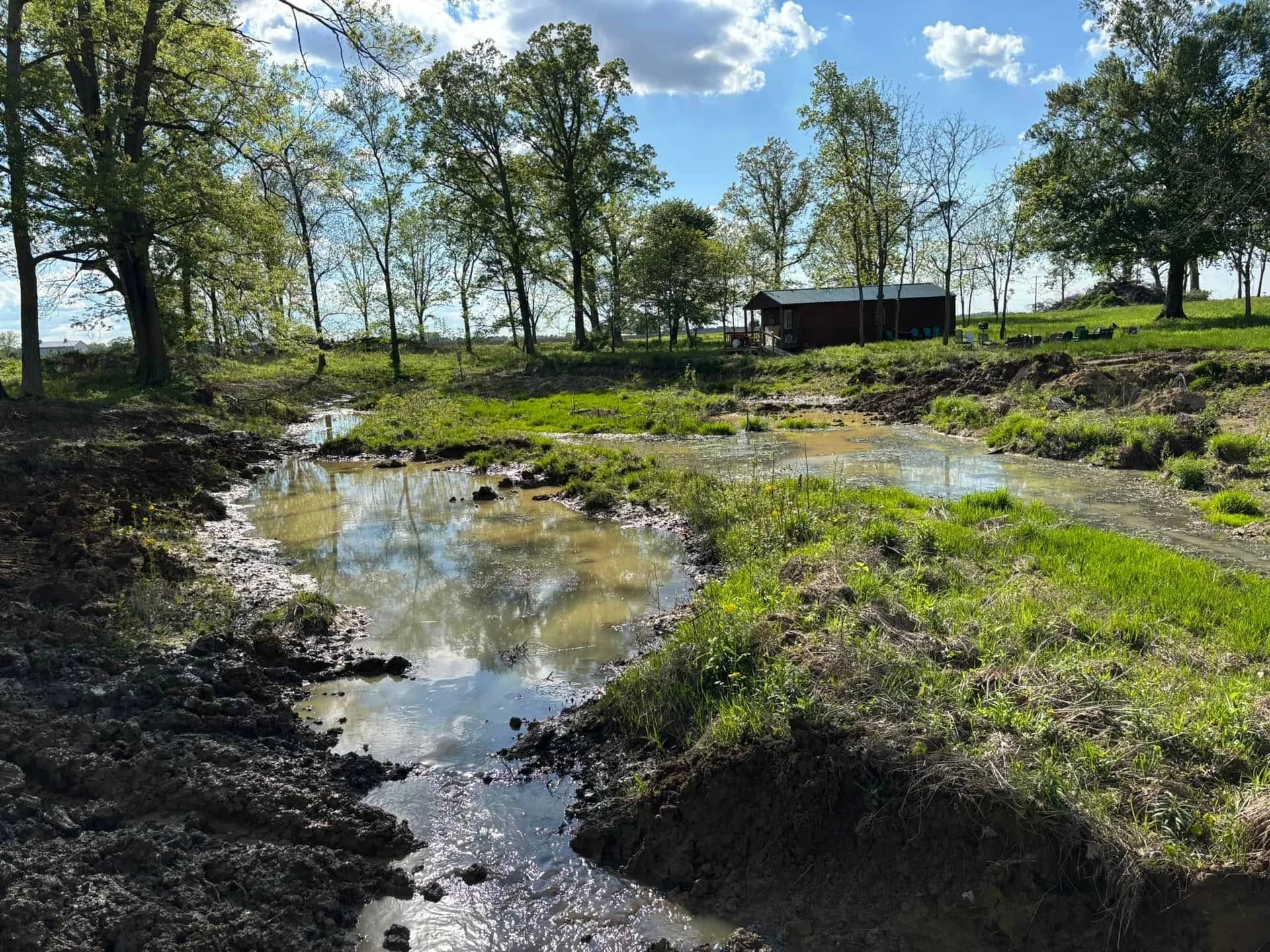
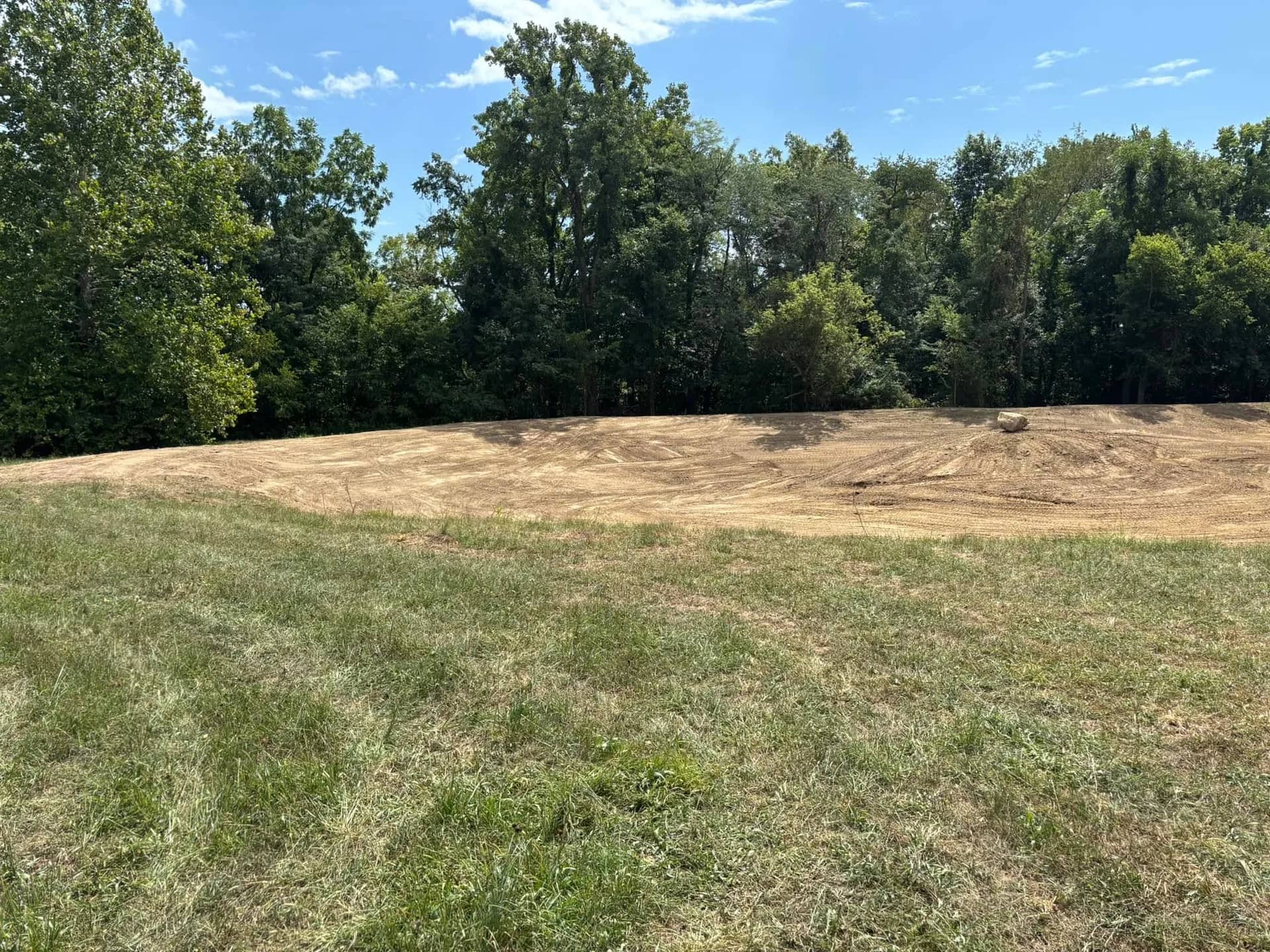
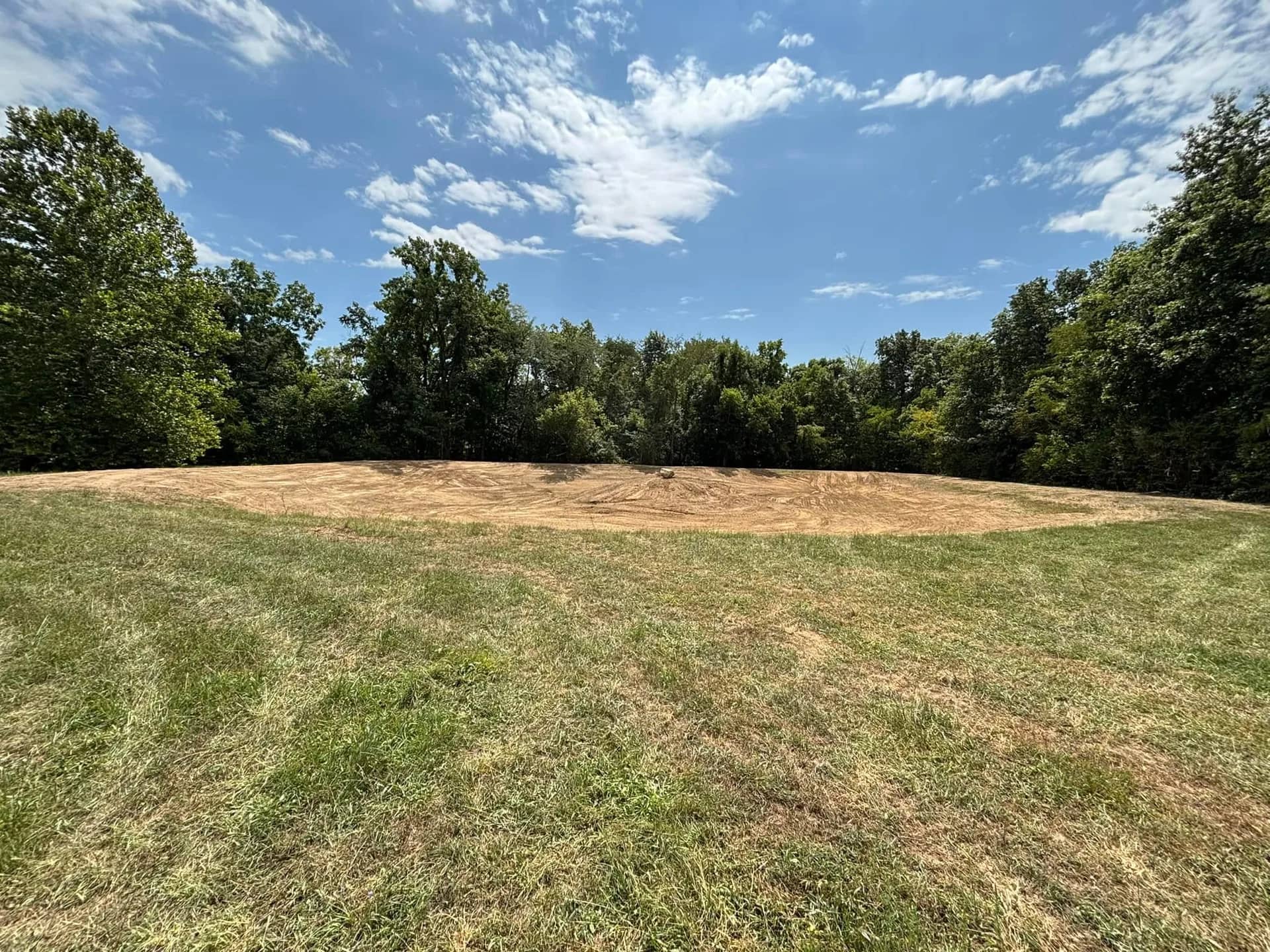
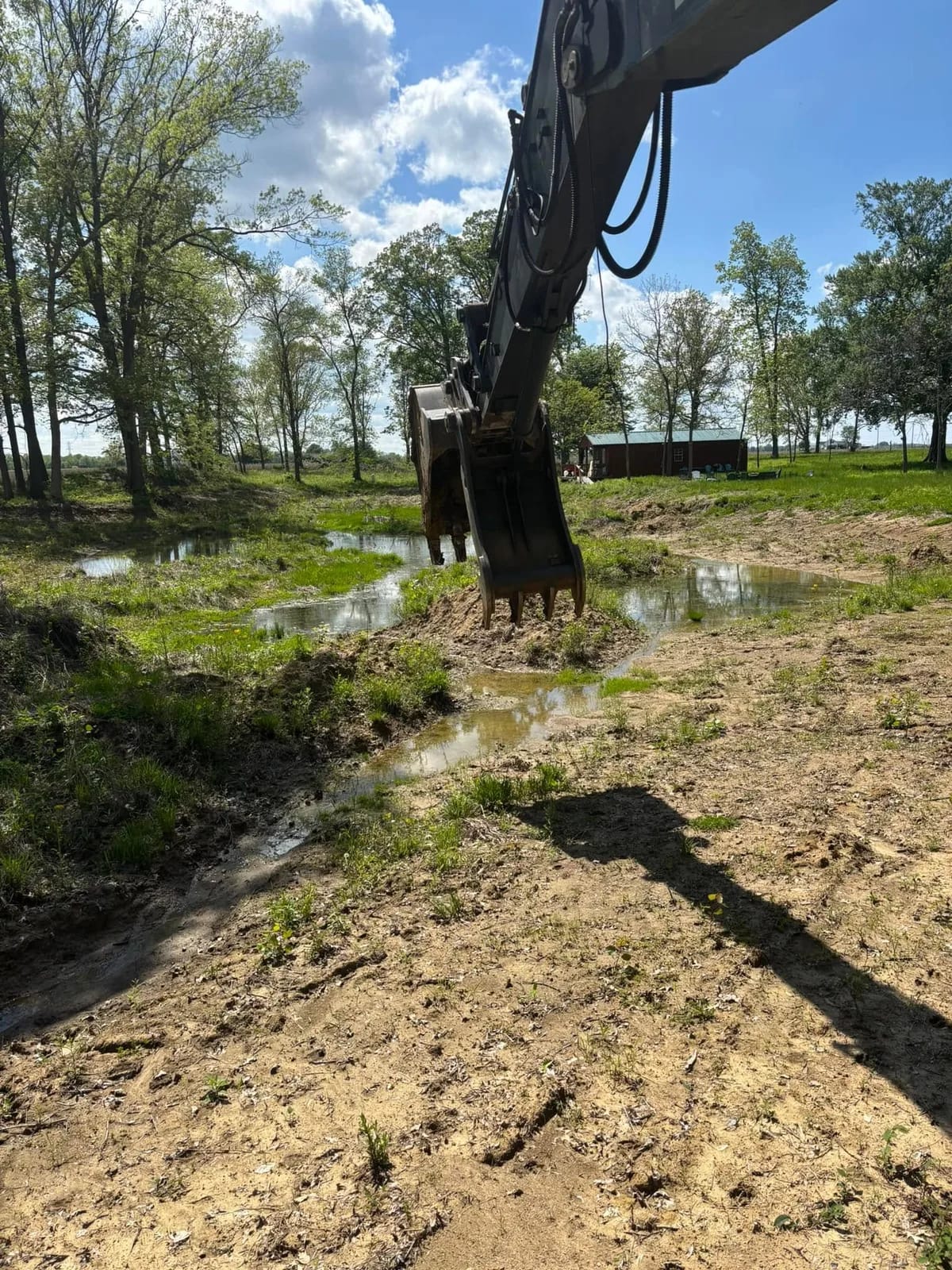
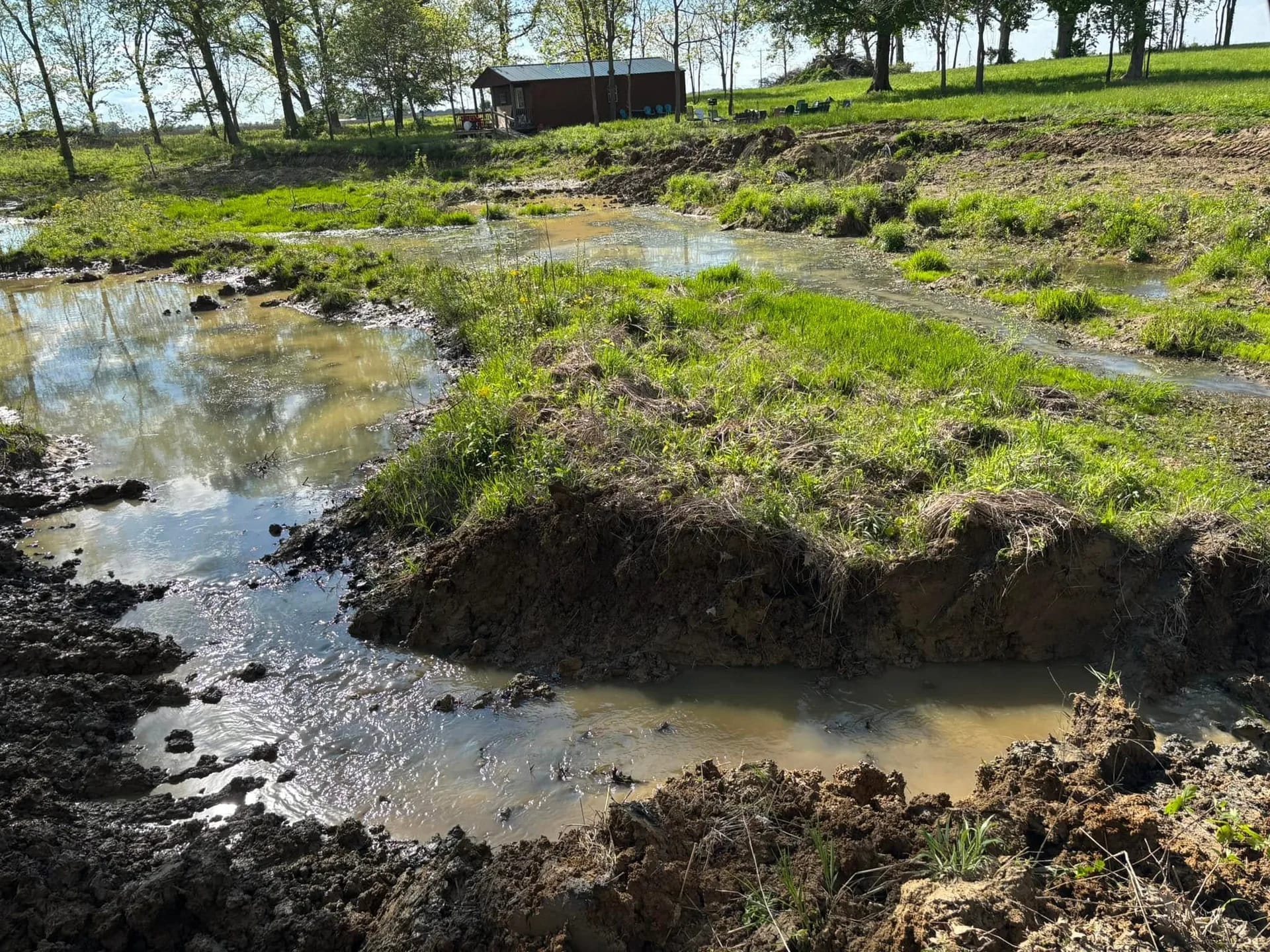
Indianapolis ground is glacial till, and it does not all behave the same. On the uplands, Brookston, Miami and Crosby soils give you the clay you want in a pond bottom, but a seasonal water table only 0.5 to 2 feet down means a fresh dig can fill with groundwater before it is shaped. Down along the White River, places like the river bottoms around Southwestway Park sit on sand-and-gravel outwash that drains fast and will not hold water without a compacted clay core. We read the soil before we set a depth so your pond holds water the first year and every year after.
Coming from Rosedale, we roll into the west side on I-70 or US-36, which becomes Rockville Road, then use I-465 to reach the rest of the county. SR-67 (Kentucky Avenue) takes us straight to acreage around Camby, West Newton and Valley Mills, and since the I-69/I-465 interchange opened on the southwest side in 2024, moving equipment down toward Morgan County is quicker too. On the southeast side, we know the country roads around Acton and Wanamaker, from Thompson Road to Carroll Road by Southeastway Park.
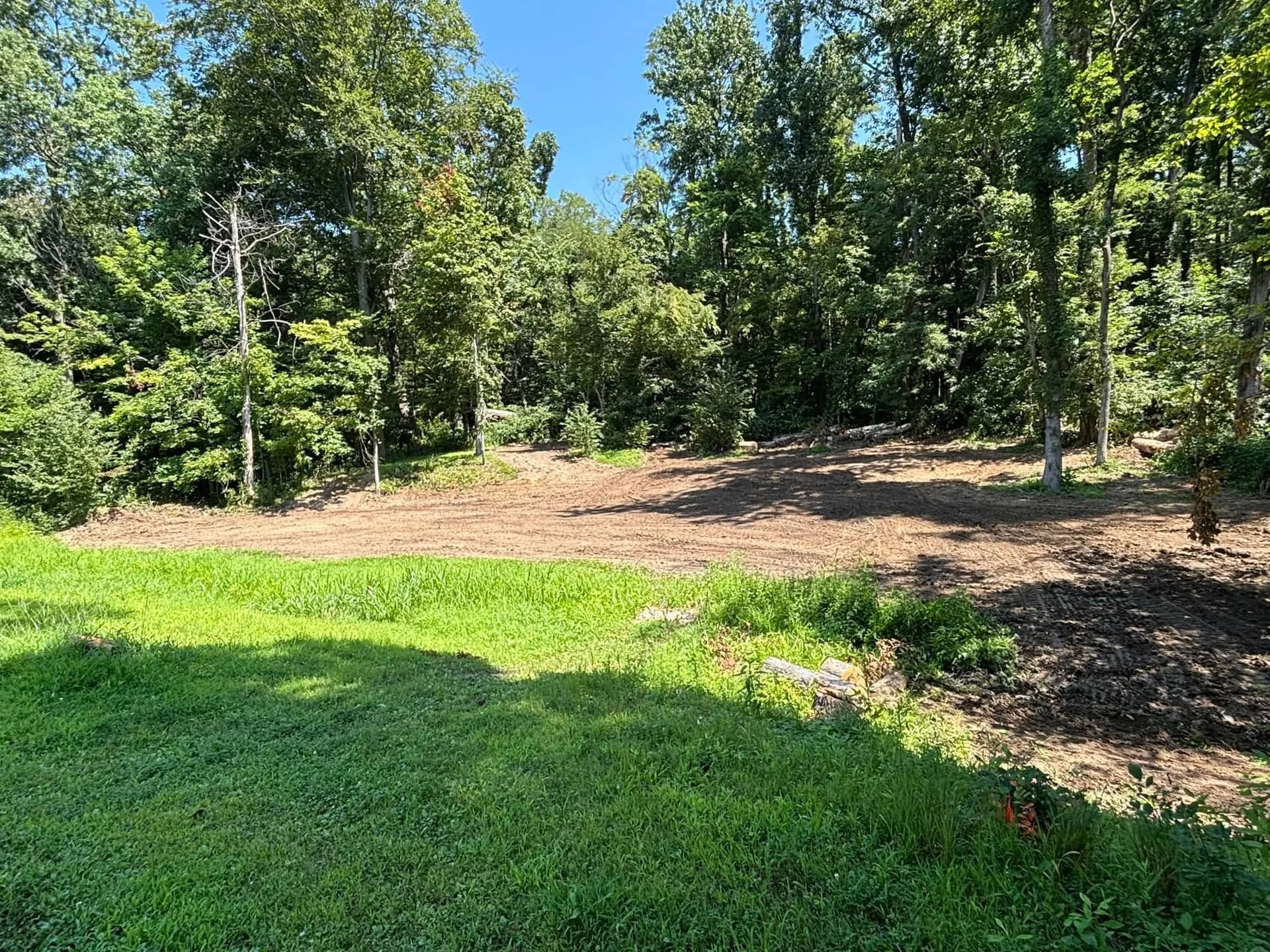
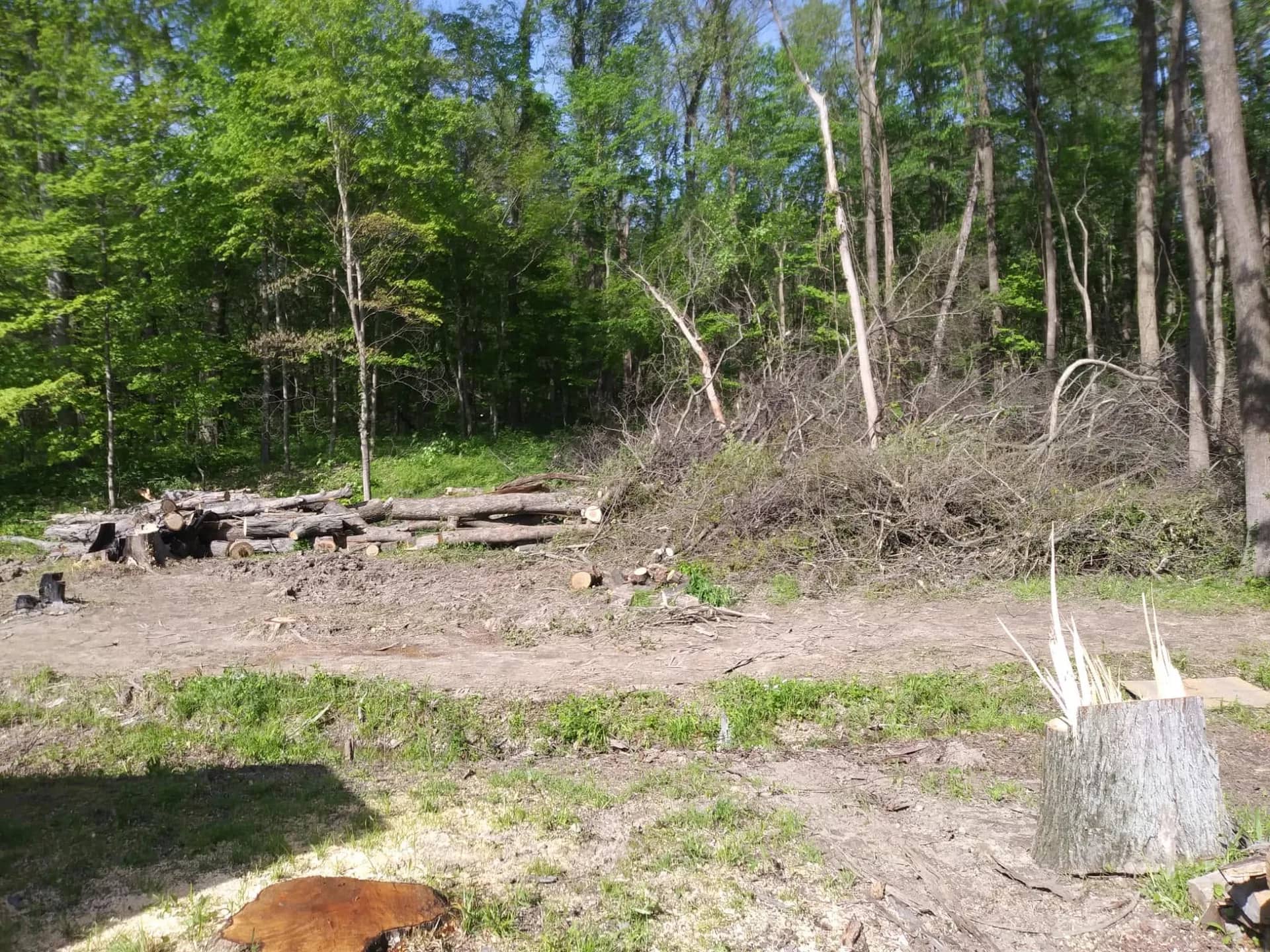
The work around Indianapolis follows its growth. Franklin Township was the fastest-growing township in Marion County from 2000 to 2020, and every new subdivision along Southport and Franklin roads adds retention ponds that will need silt removal down the road. Decatur Township, home to Ameriplex and the airport's main terminal, still has open farm ground that is ready for ponds and clearing. Up on the northwest side, acreage near Eagle Creek often has older ponds that are overdue for dredging, and across the city, DBNS demolition work keeps commercial teardown in steady demand.
We also know the rules. A pond that disturbs one acre or more falls under IDEM's Construction Stormwater General Permit, and unlike routine farming, building a pond is not exempt even on farmland. Larger impoundments can fall under IDNR dam safety rules (20 feet high, 100 acre-feet of storage, or a square mile of drainage), and work near Fall Creek, Eagle Creek or Buck Creek floodways may need state review. We call Indiana 811 before every dig, and we plan around the seasons: frozen ground in January through March for clearing and demolition, then summer and fall for pond digging.

 Ponds and lakes