Local knowledge
Local Expertise in Terre Haute — We Know This Area
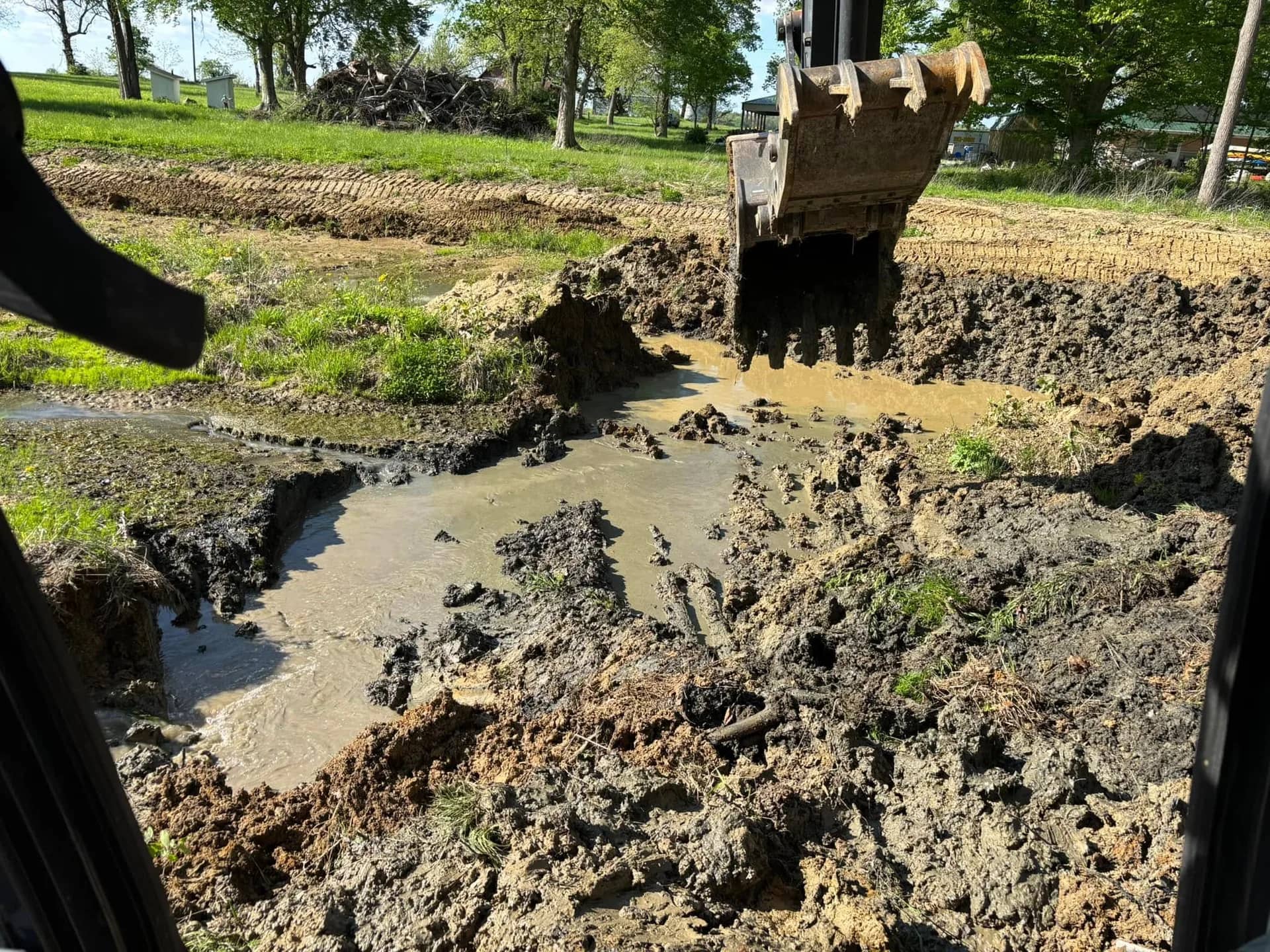
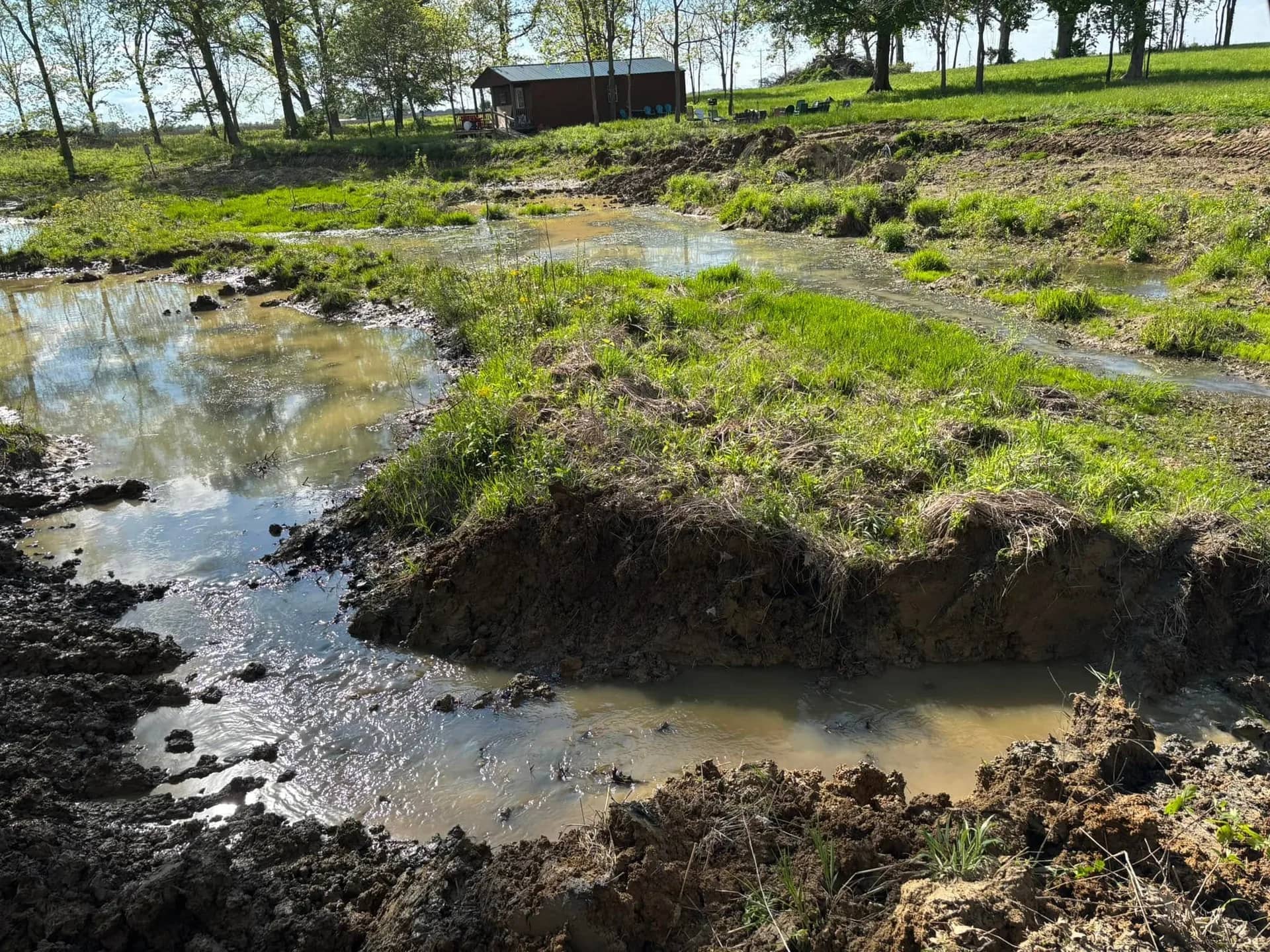
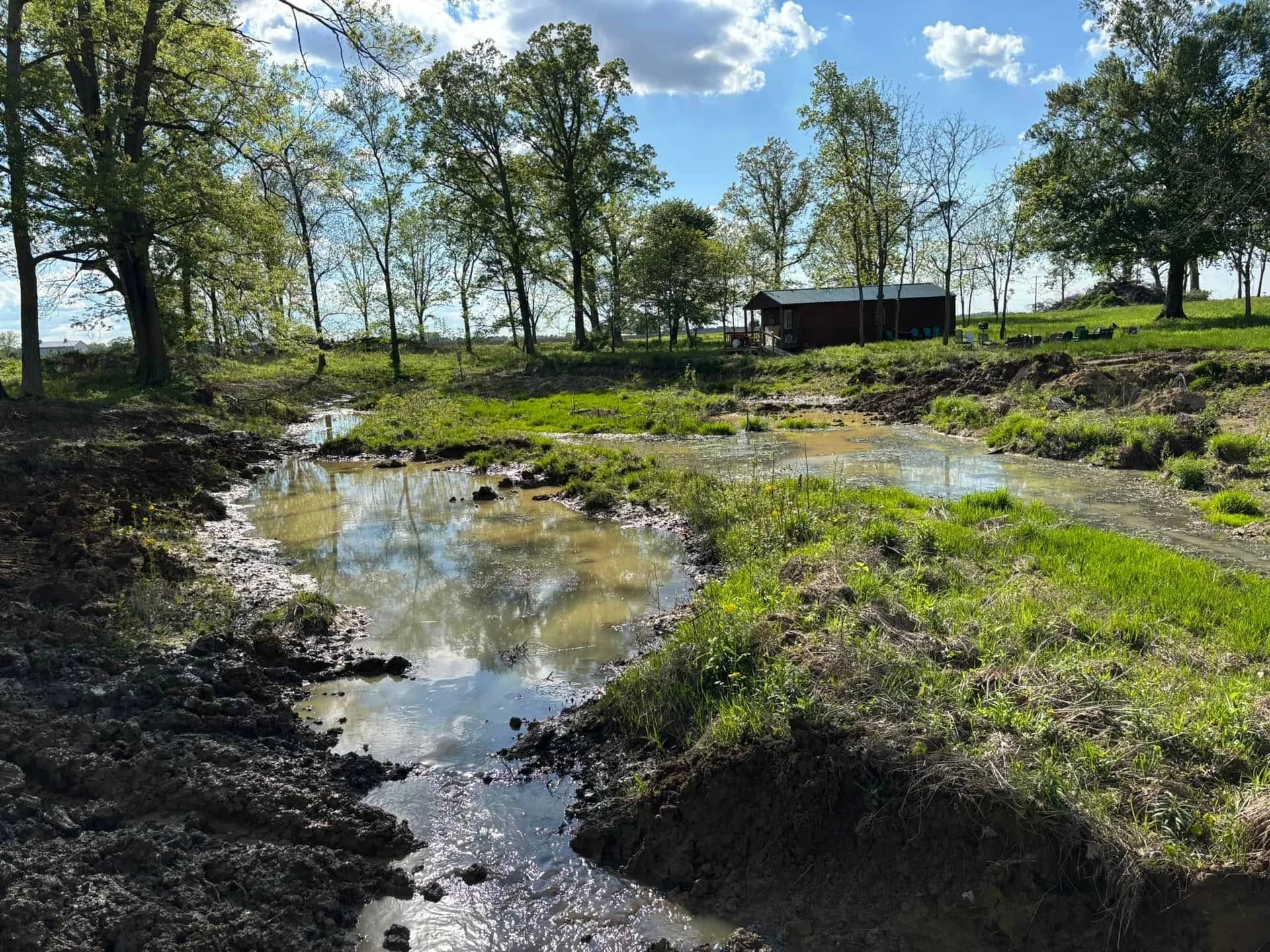
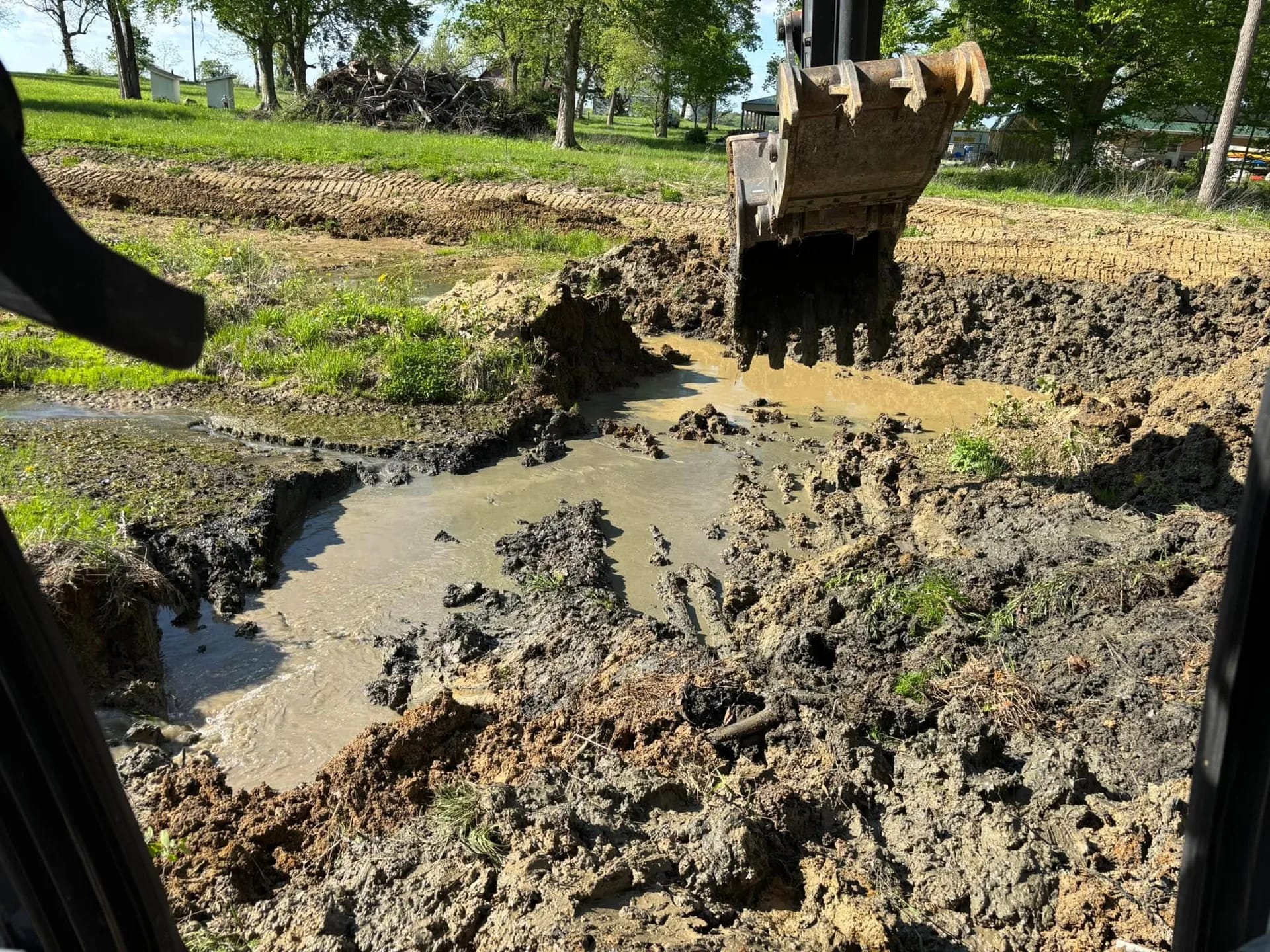
Terre Haute ground is three different things depending on where you stand. Along the Wabash, from West Terre Haute and Prairieton up through New Goshen, sand and gravel terraces drain fast and need a compacted clay core. On the uplands north and east of town, around Fontanet, Shepardsville and Seelyville, a silt cap over glacial till gives you the clay you want in a pond bottom. East and south, around Riley, Blackhawk and Pimento, reclaimed strip mines leave you digging into mixed spoil with its own drainage habits. We read the soil before we set a depth so your pond holds water the first year and every year after.
Coming from Rosedale, we roll straight down US-41 into the north side of Terre Haute, about 16 miles door to door. I-70 and US-40 take us east toward Seelyville or west across the Wabash to West Terre Haute, SR-46 runs out the southeast side toward Riley, and US-41 and US-150 carry us south toward Prairieton and Pimento. Moving excavators and dozers is quick when the drive is this short, so Vigo County jobs of every size make sense for us.
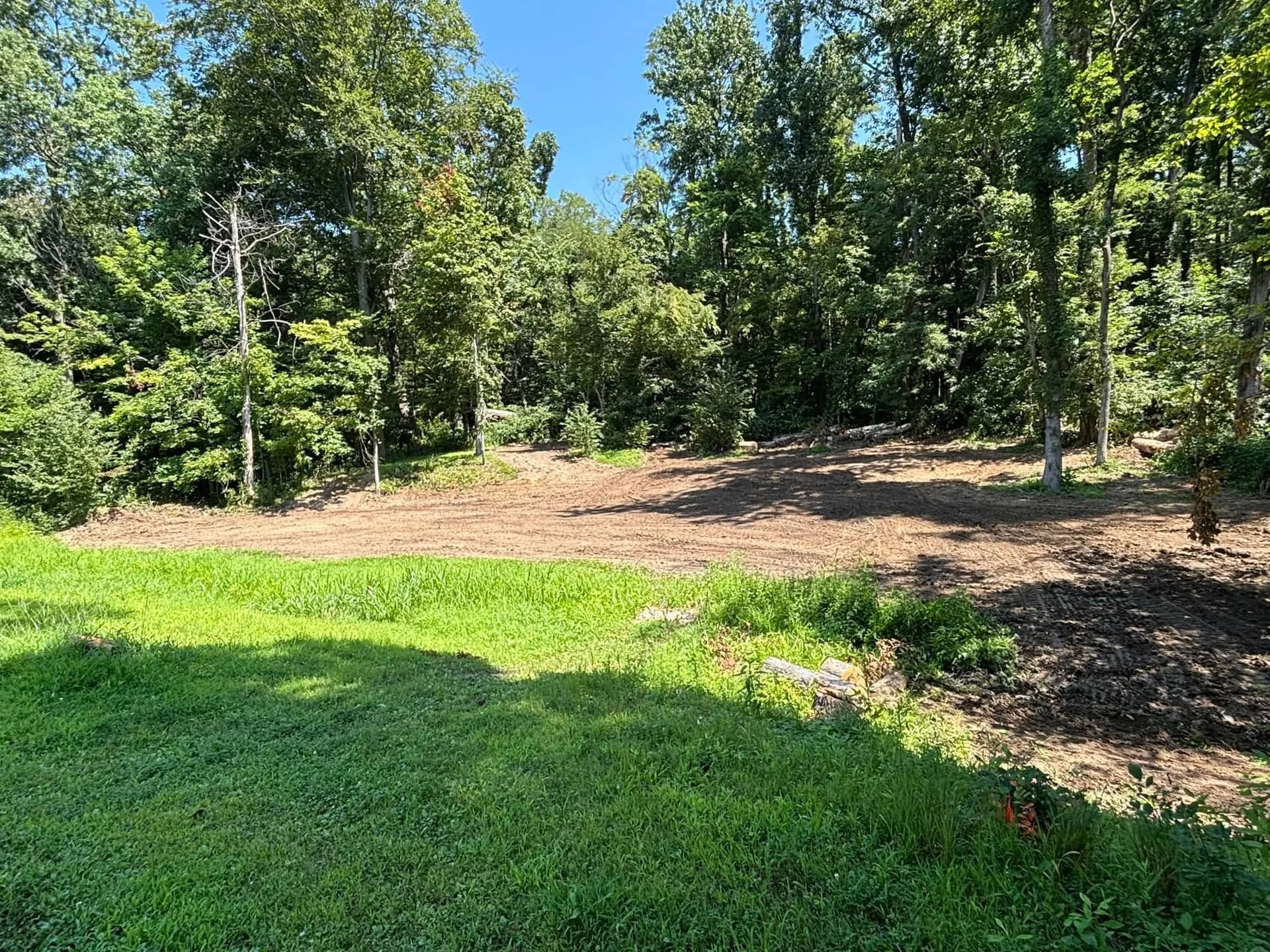
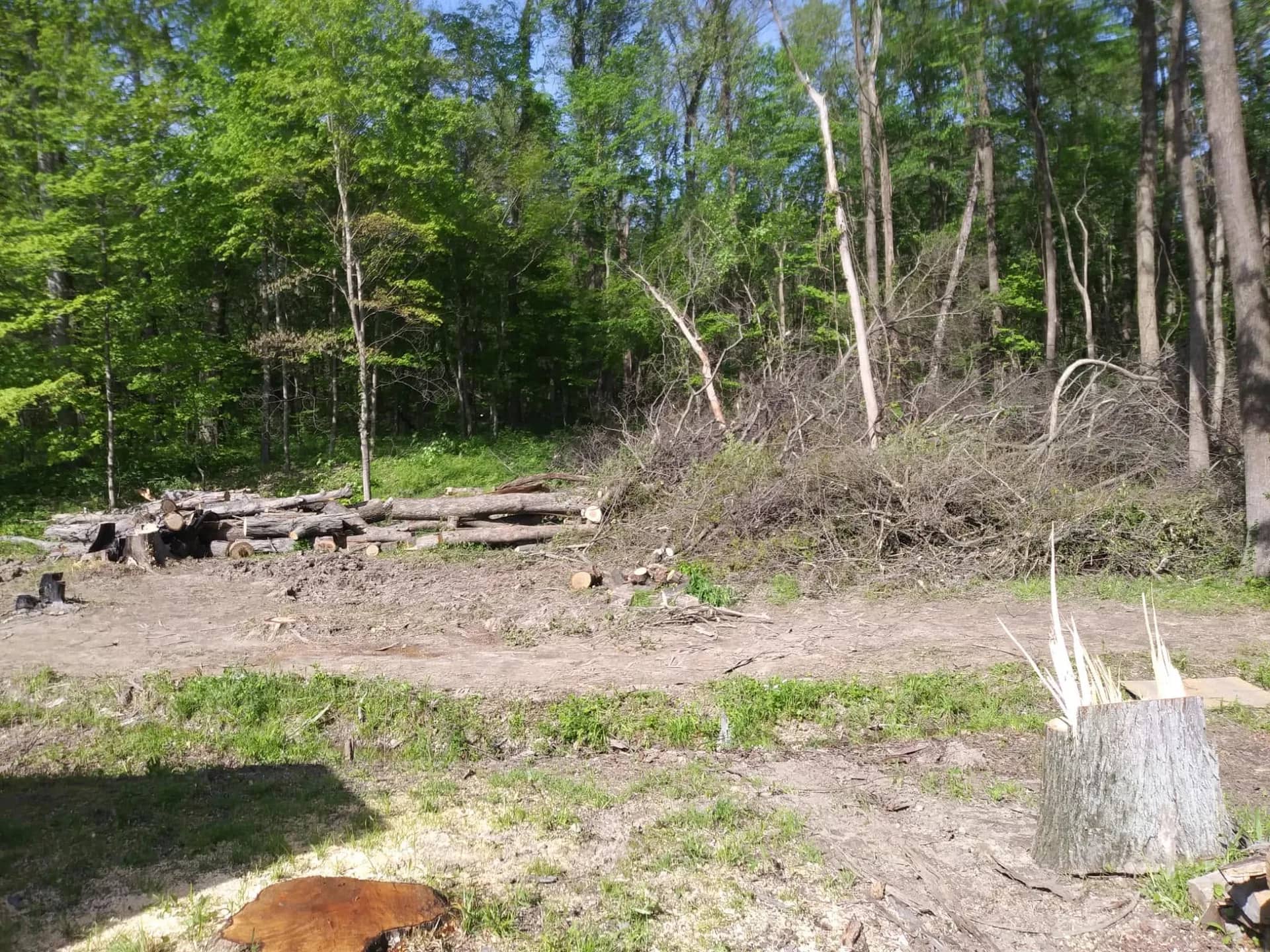
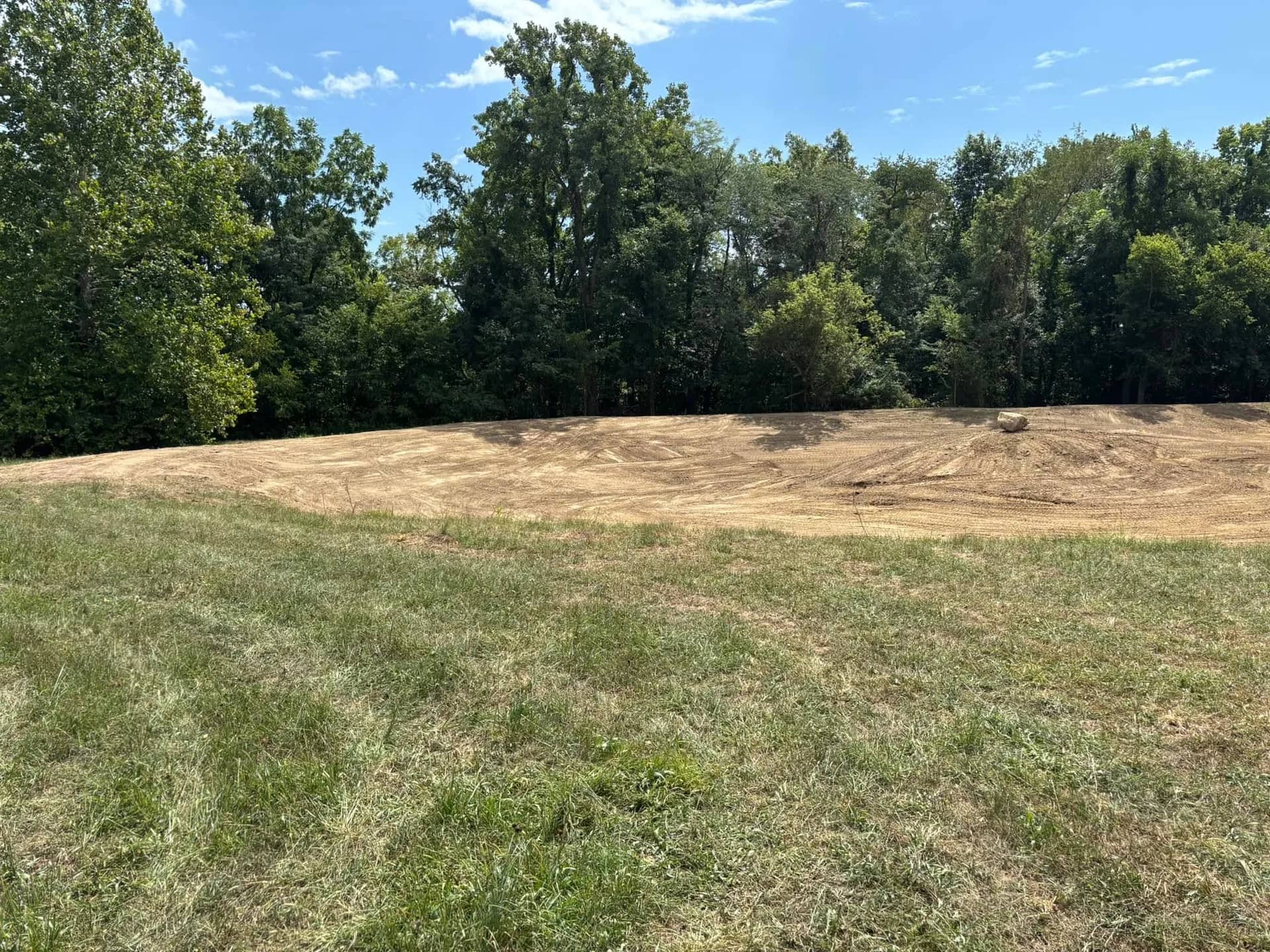
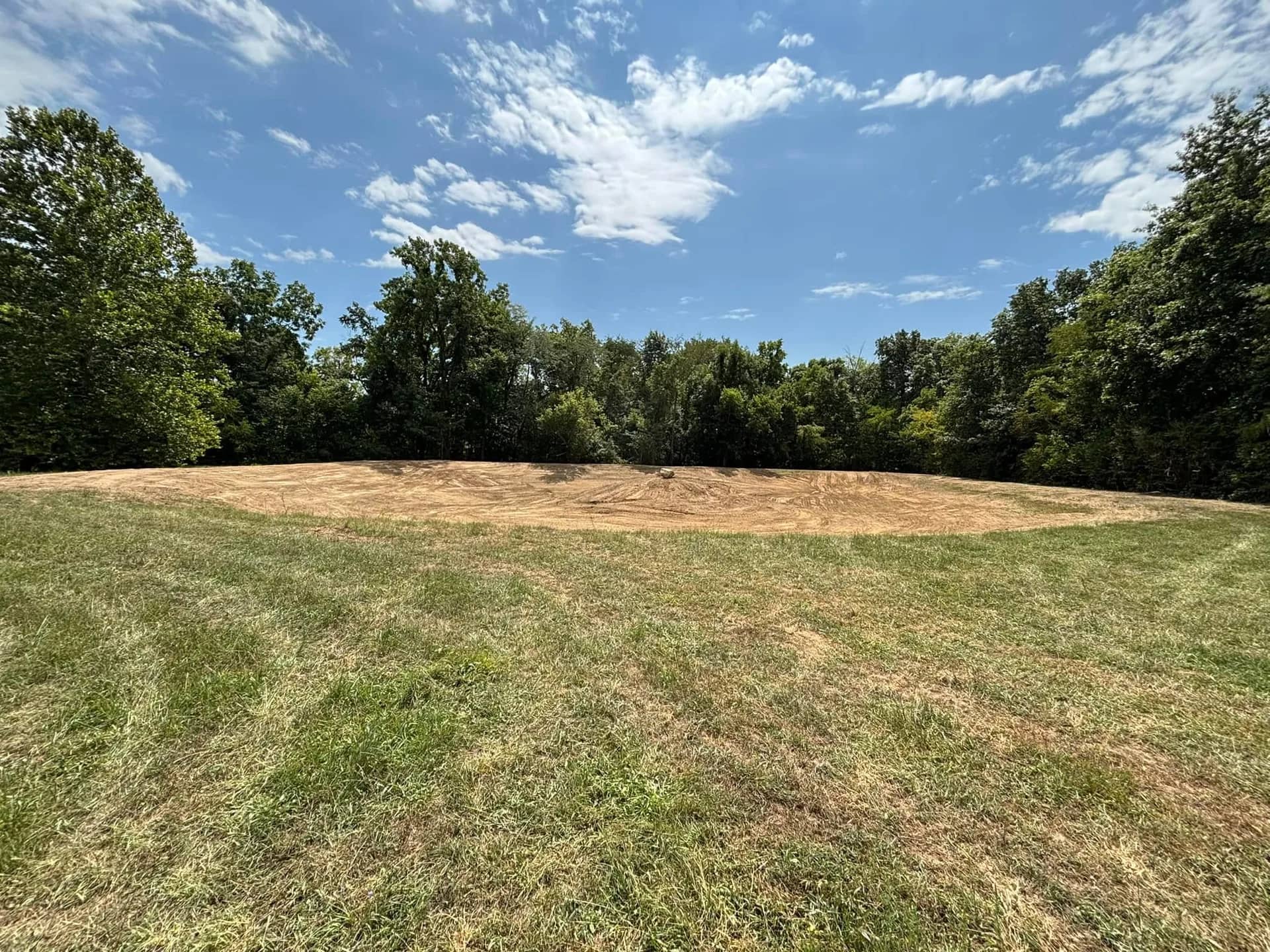
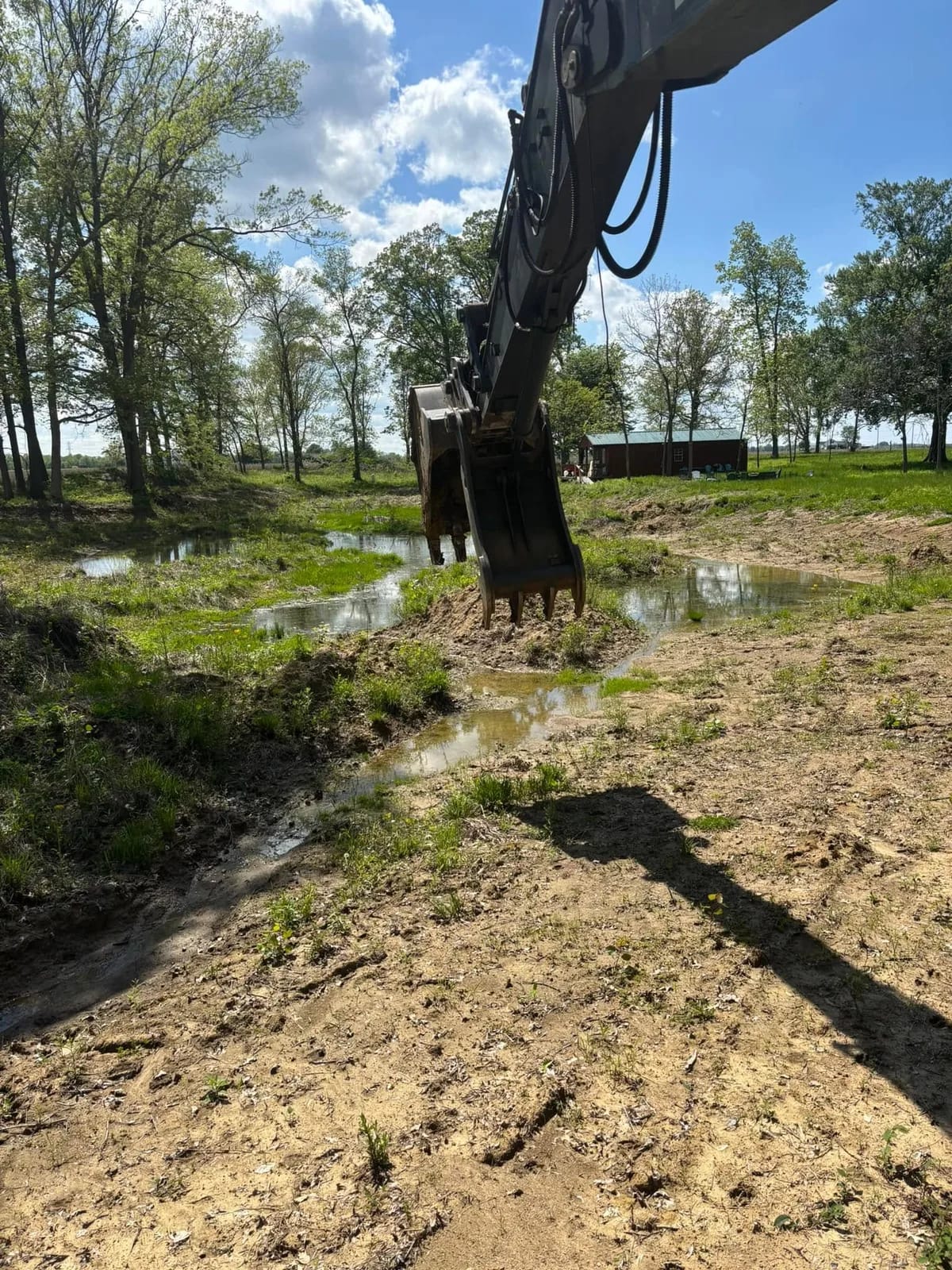
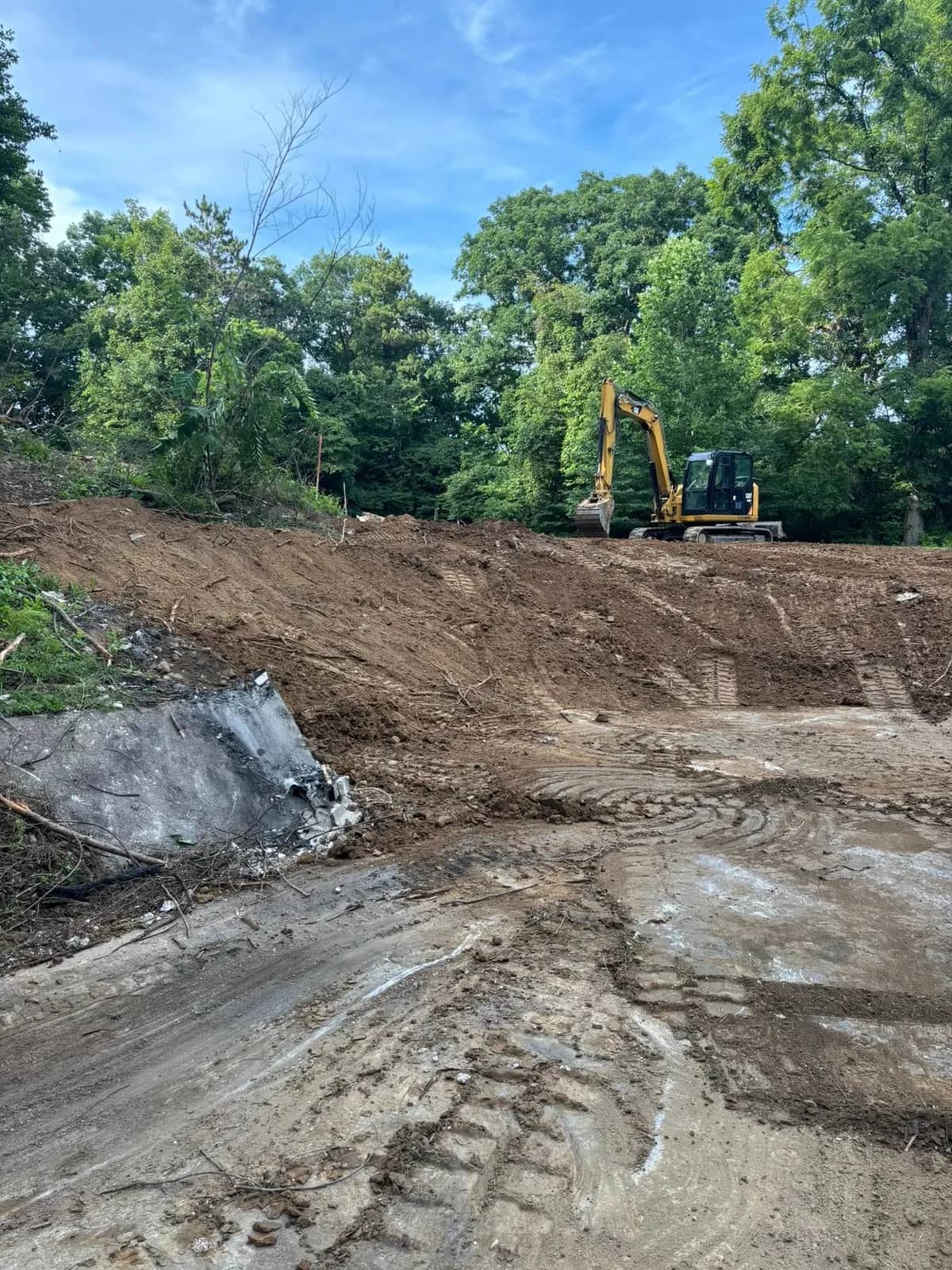
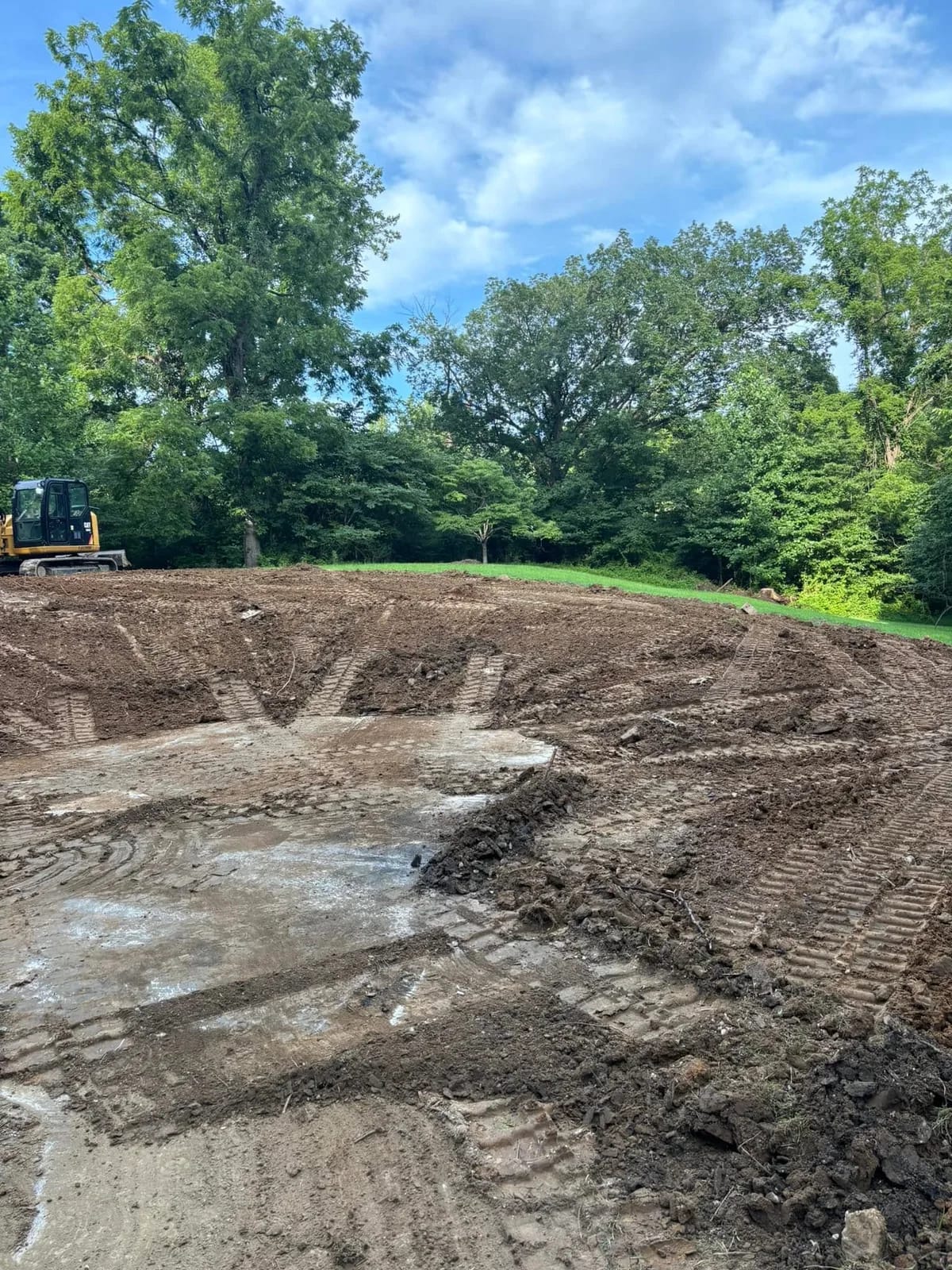
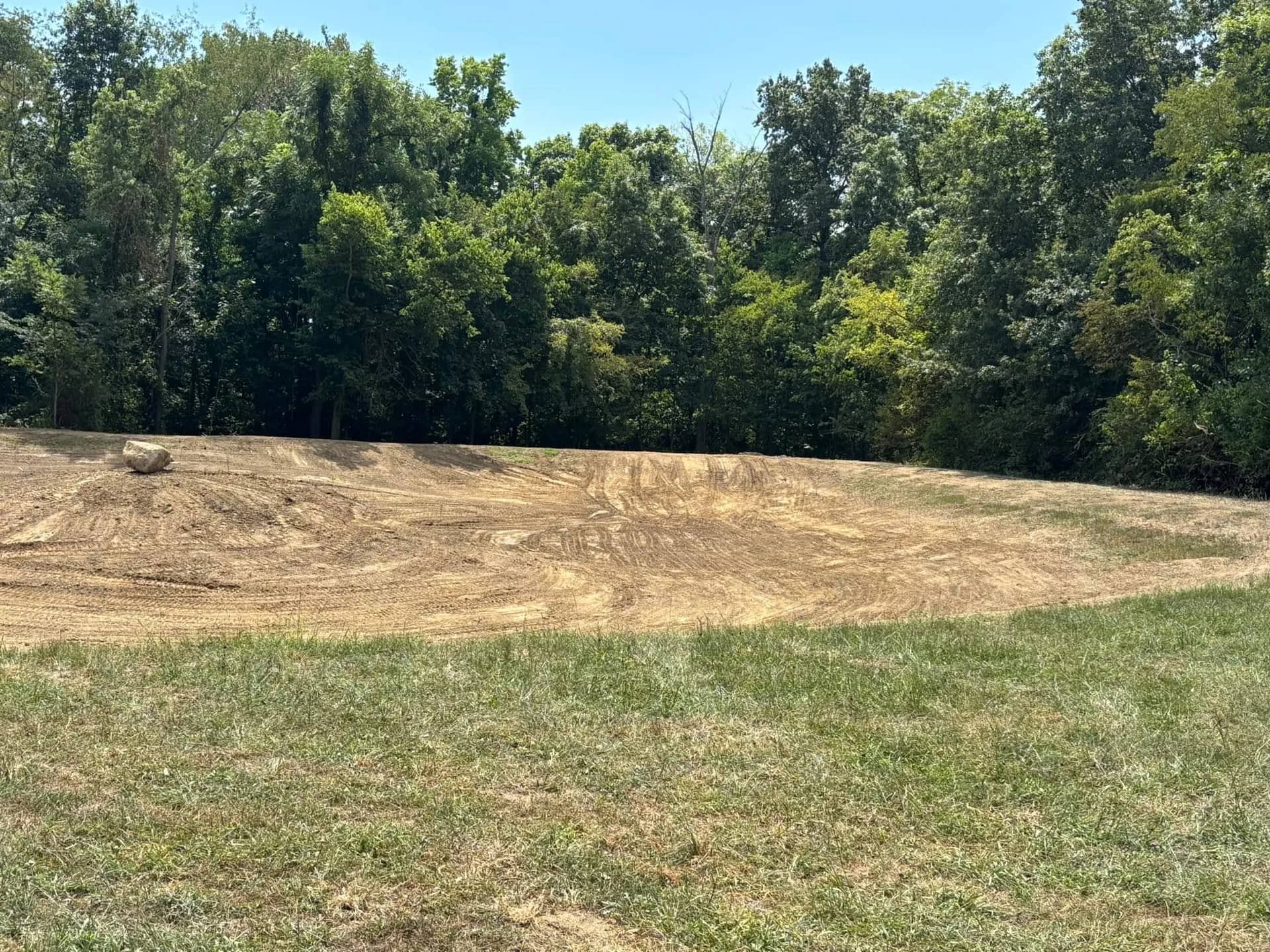
The work around Terre Haute follows the land. The rural townships are farm and cattle country that needs stock ponds, pond cleanouts and fence lines cleared. The reclaimed mine ground east and south of the city has lakes, strip pits and wooded tracts that landowners want dredged, cleared or shaped for building. Closer in, the commercial corridors along US-41 and US-40 have older buildings that need to come down and retention ponds that need regular silt removal. Indiana State University and Rose-Hulman are the landmarks everyone knows, but most of our work is on the open ground around them.
We also know the rules. A pond that disturbs one acre or more falls under IDEM's Construction Stormwater General Permit, and unlike routine farming, building a pond is not exempt even on farmland. Larger impoundments can fall under IDNR dam safety rules (20 feet high, 100 acre-feet of storage or a square mile of drainage), and work near the Wabash River, Honey Creek or Otter Creek floodways may need state review. We call Indiana 811 before every dig, and we plan around the seasons: frozen ground in January through March for clearing and demolition, then summer and fall for pond digging.

 Ponds and lakes