Local knowledge
Local Expertise in Lafayette — We Know This Area
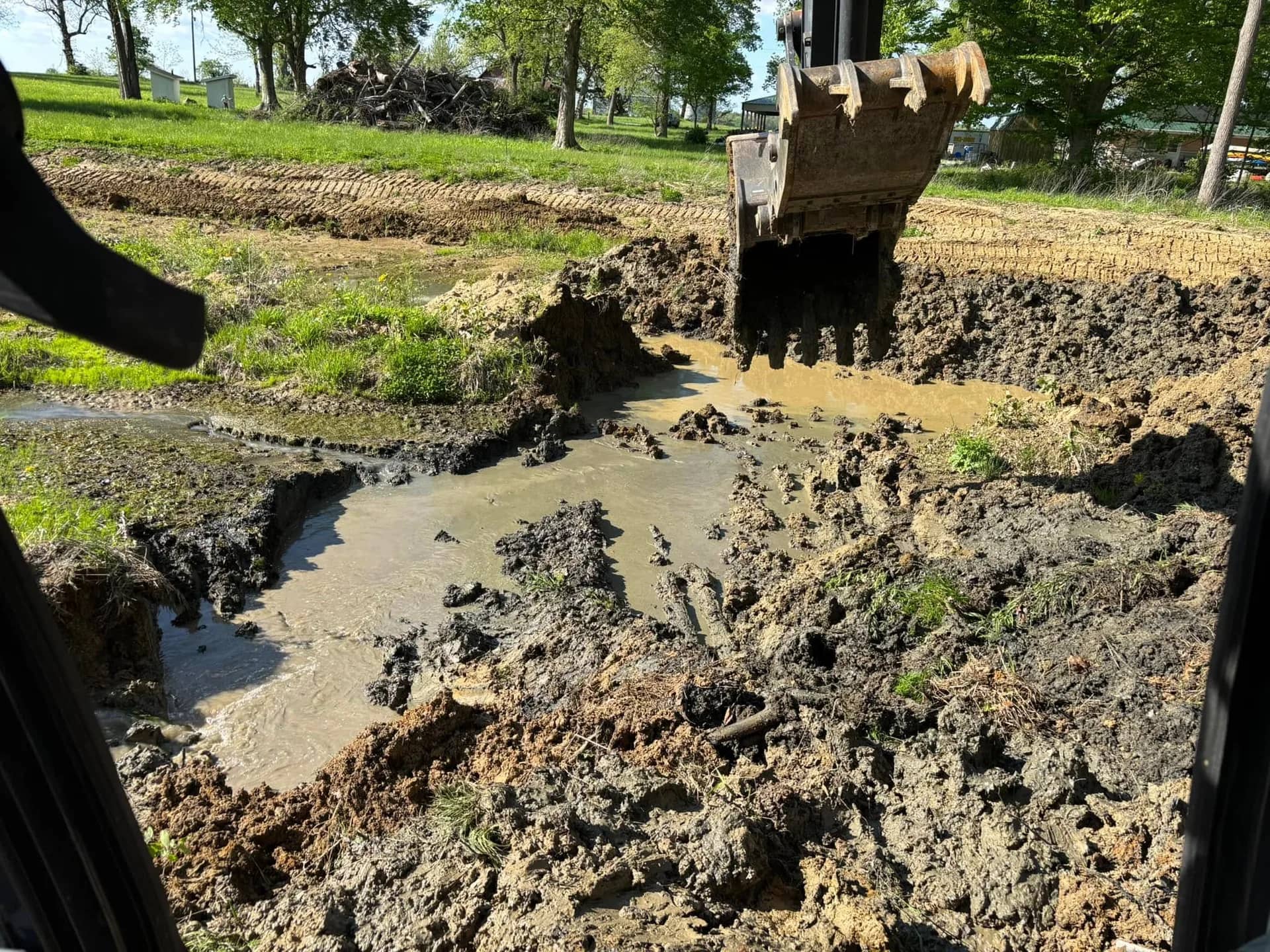
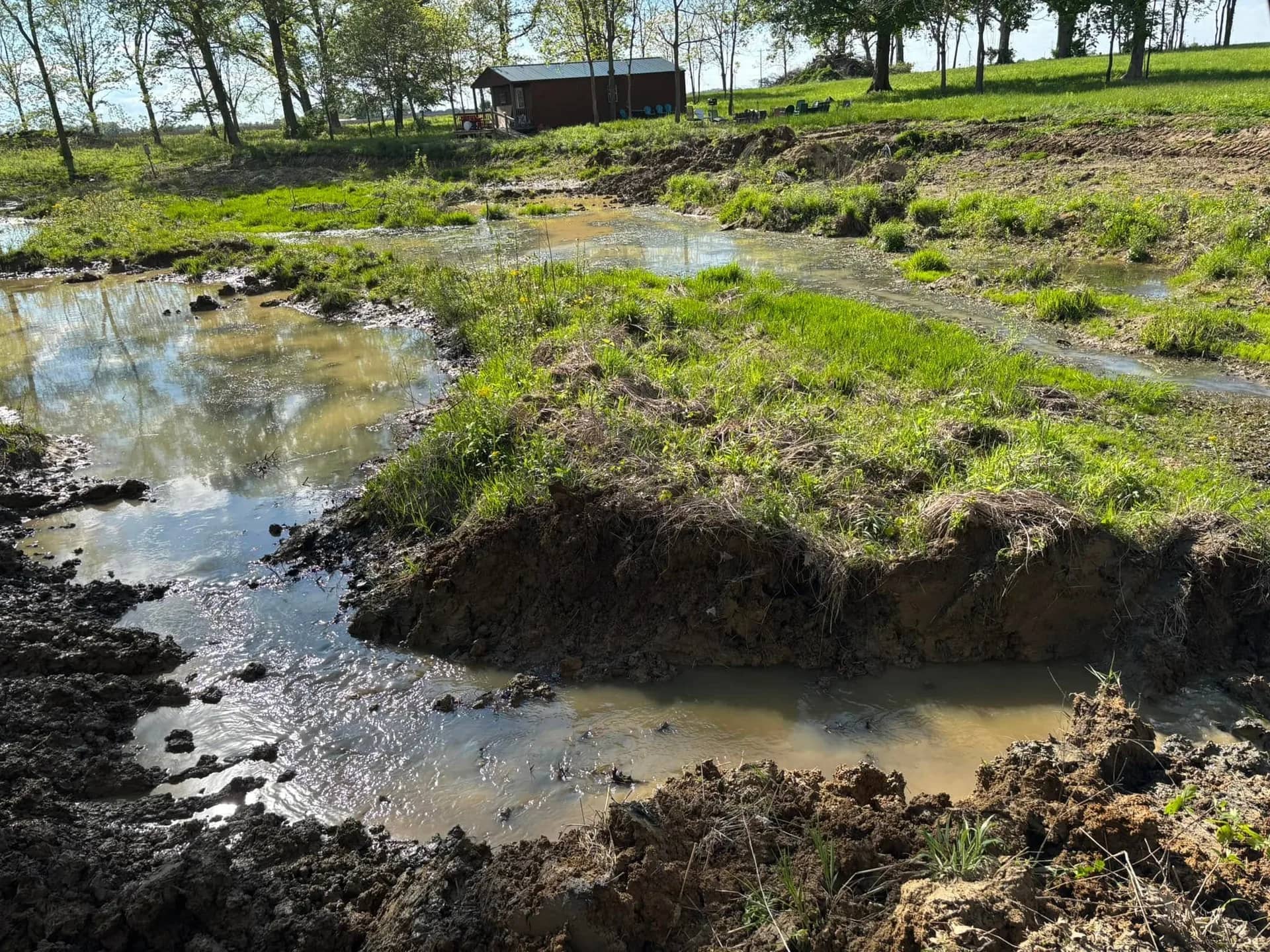
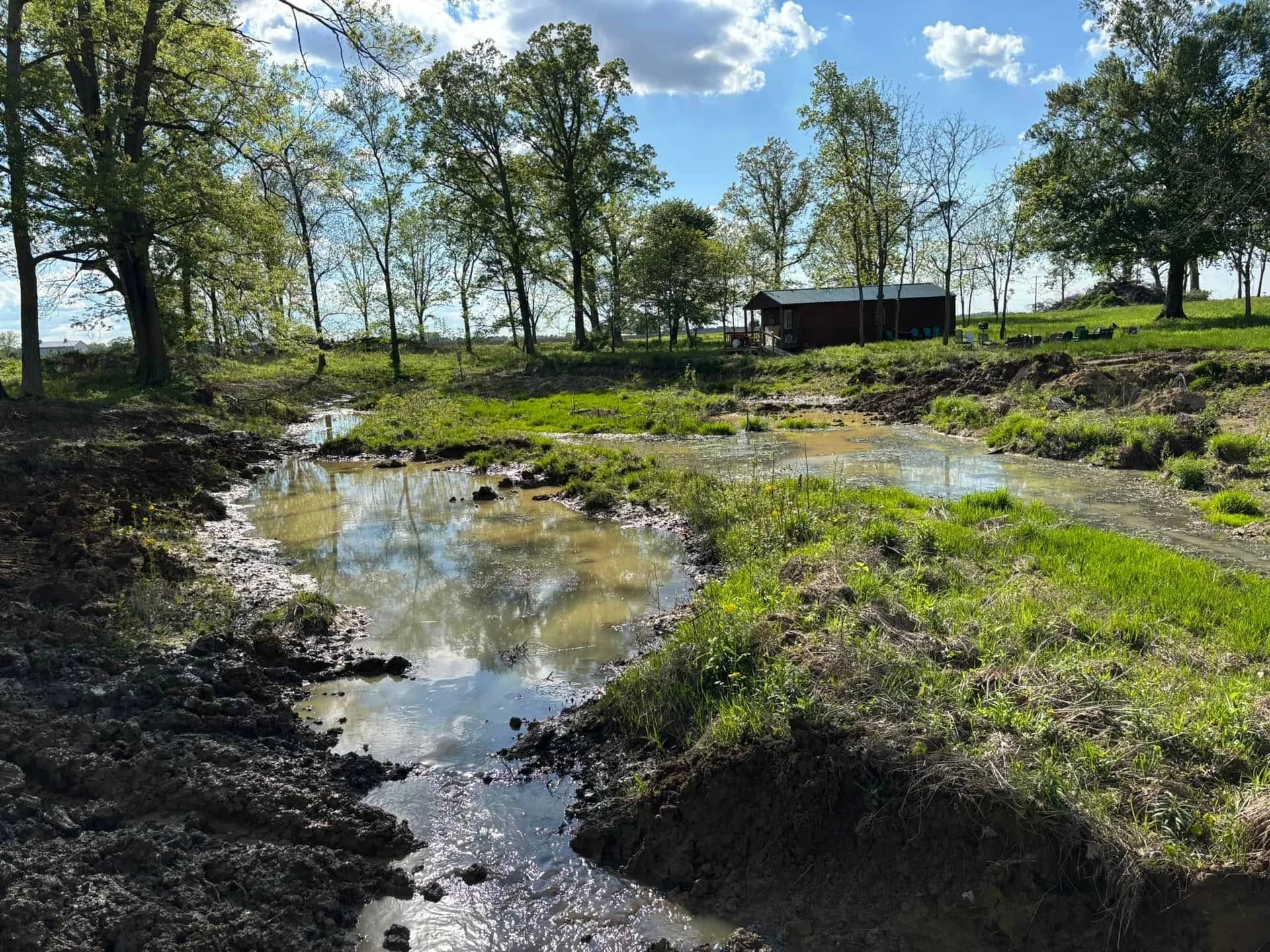
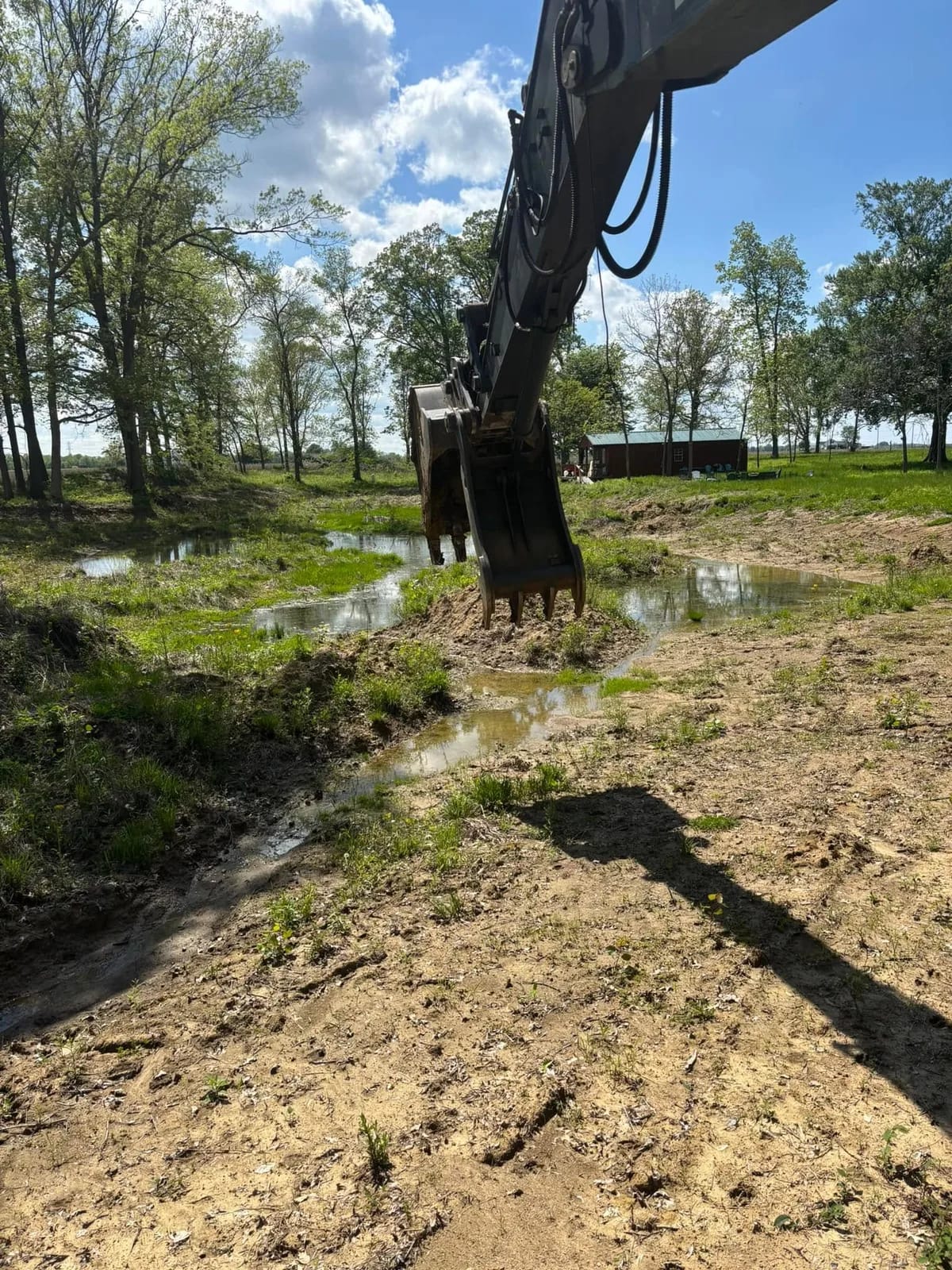
Lafayette ground is glacial till, and most of it is flat, dark and wet. Drummer silty clay loam and Brookston give you the clay you want in a pond bottom, but a water table close to the surface and drainage tile under most fields mean a fresh dig can fill with groundwater before it is shaped. Along the Wabash and on the Wea Plain south of the city, outwash sand and gravel drains fast and will not hold water without a compacted clay core. We read the soil and find the tile before we set a depth.
Coming from Rosedale, we run north on US-41 to I-74, east toward Crawfordsville, then up US-231 through Romney into the south side of Lafayette. It is a 60 to 70 mile trip, so we plan Lafayette work around the larger projects. Once in the county, I-65 and US-52 carry us around the east side toward Dayton, SR-26 runs east and west across the middle, SR-25 follows the Wabash northeast toward Battle Ground and Americus, and US-231 and SR-43 cross the river to West Lafayette and Montmorenci.
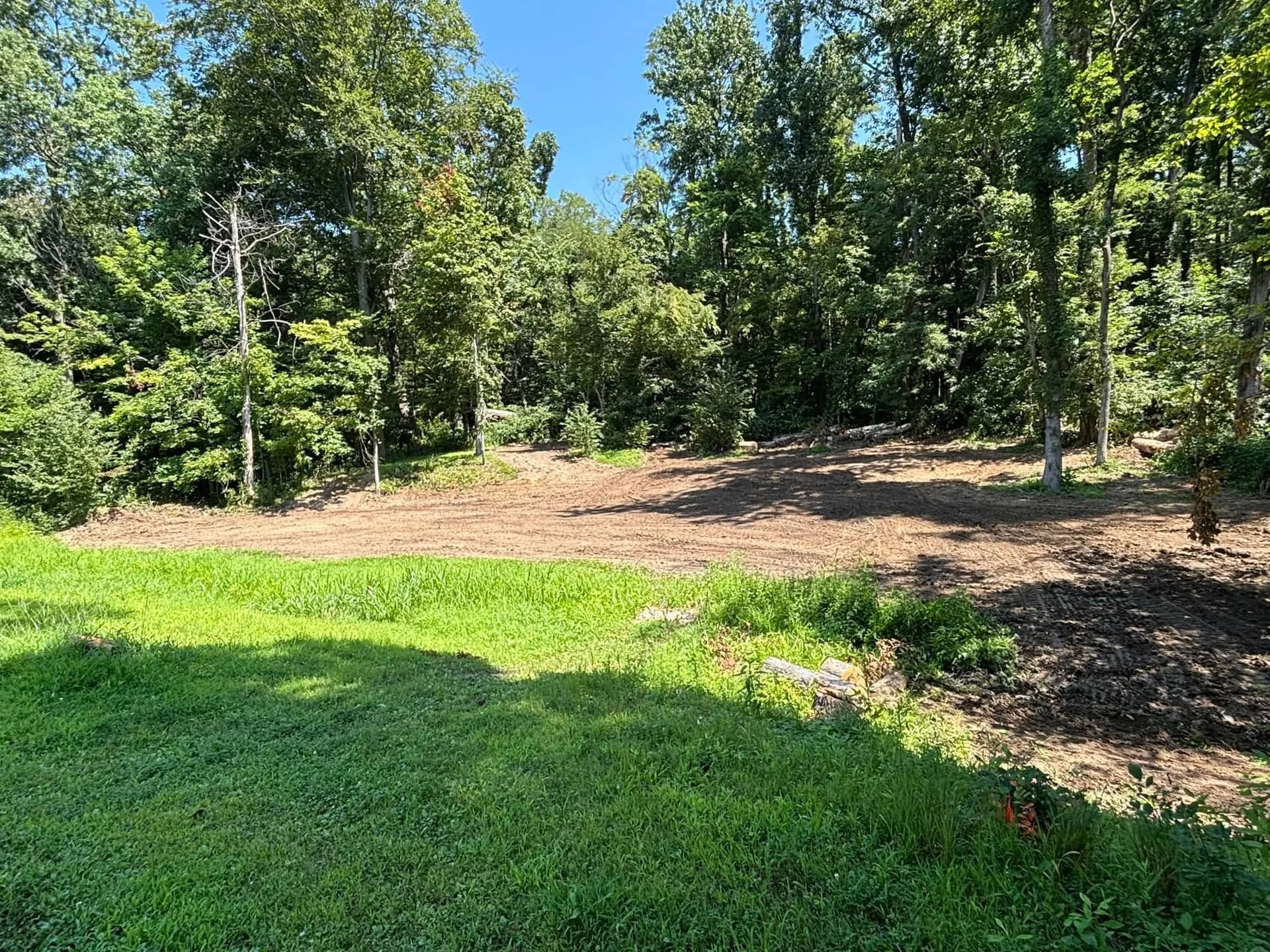
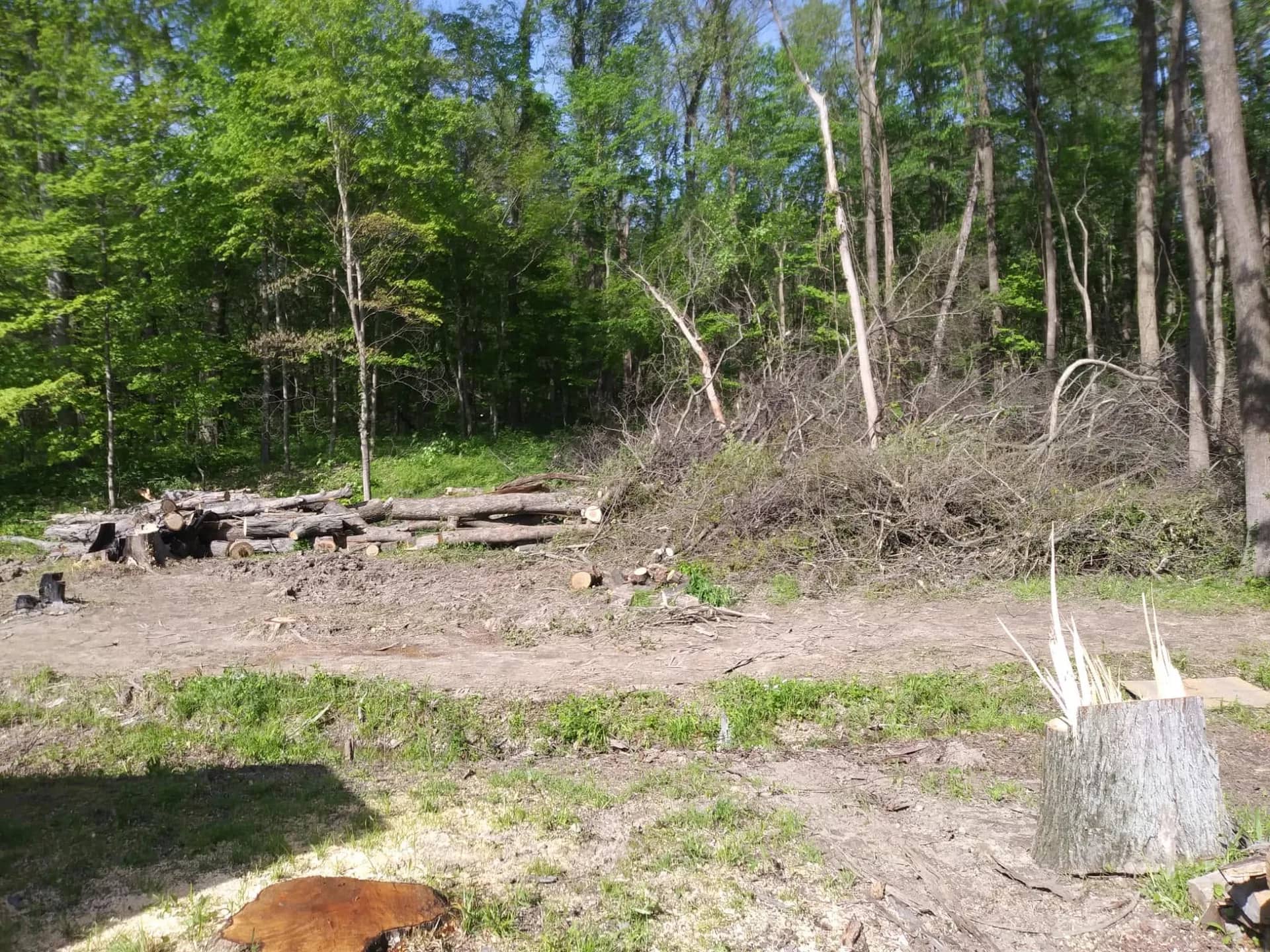
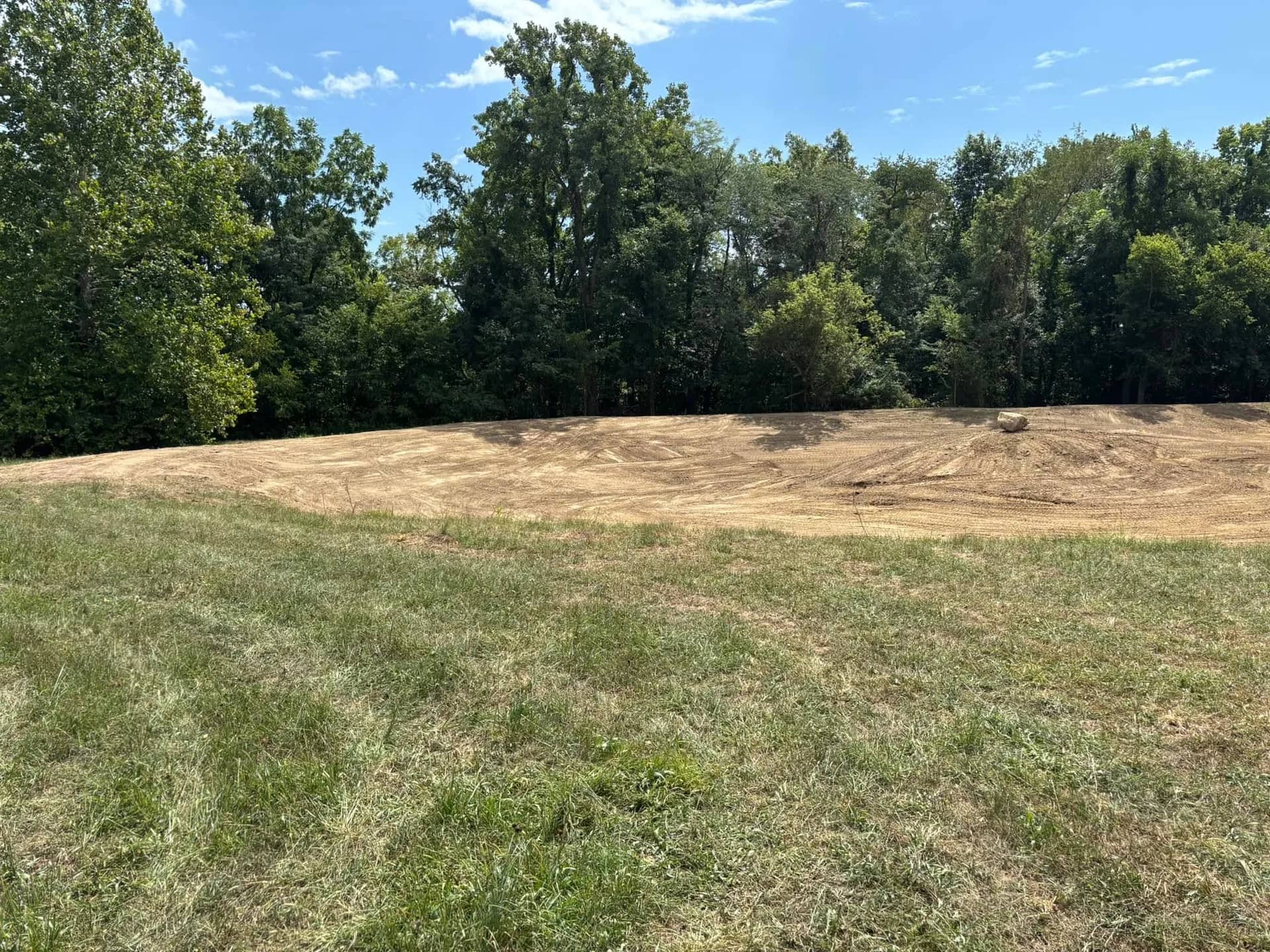
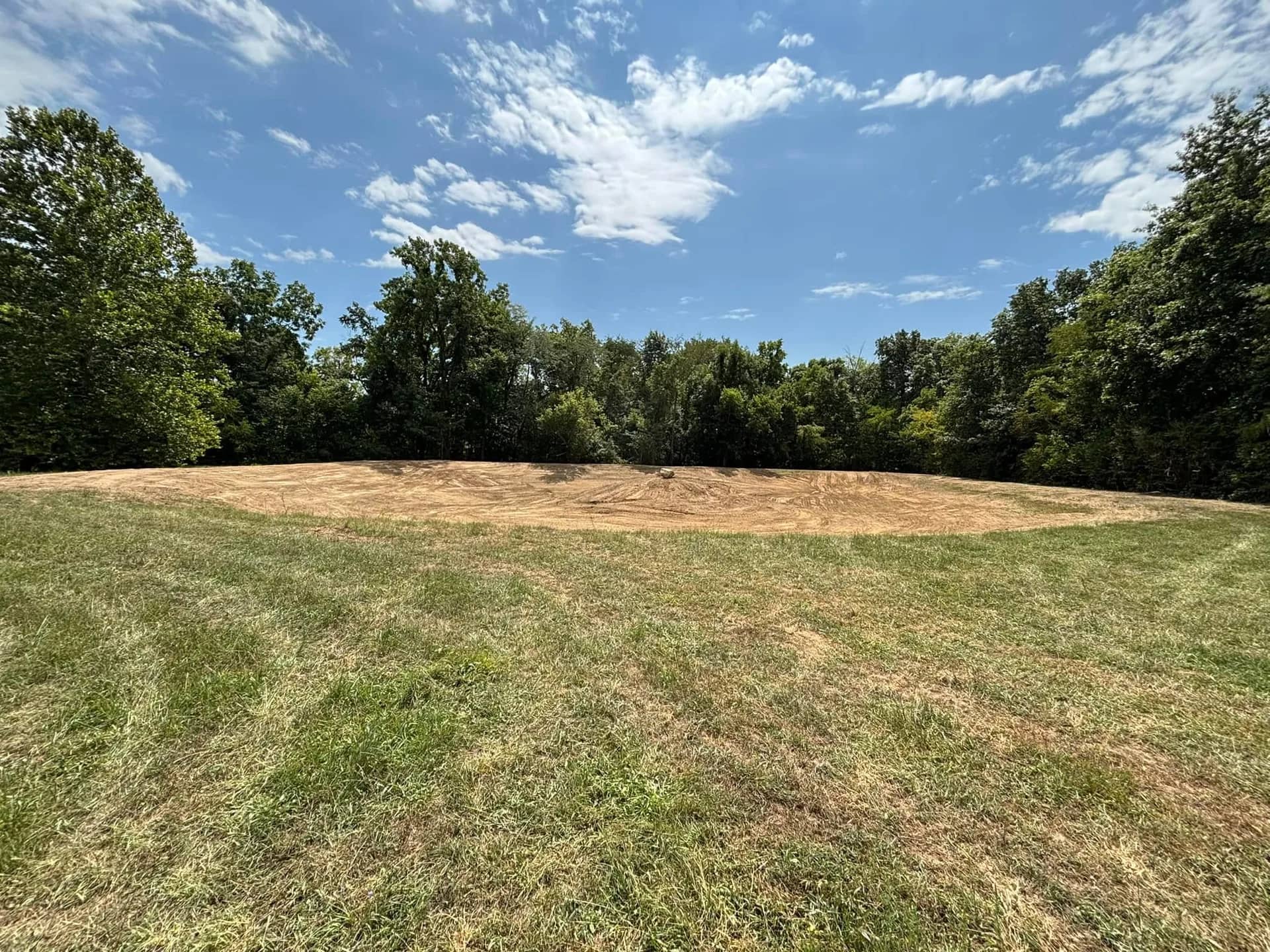
The work around Lafayette follows the farms and the creeks. Farms in Wea, Randolph, Jackson and Sheffield townships need stock ponds, pond cleanouts and fence rows cleared. Acreage along Wildcat Creek, Wea Creek and the Wabash bluffs has wooded ravines and silted-in ponds. North of the city, around Battle Ground, the Tippecanoe Battlefield and Prophetstown State Park, rural lots and small farms want ponds and building sites. Purdue is the landmark everyone knows, but most of our work is on the open ground around the city.
We also know the rules. A pond that disturbs one acre or more falls under IDEM's Construction Stormwater General Permit, and unlike routine farming, building a pond is not exempt even on farmland. Larger impoundments can fall under IDNR dam safety rules (20 feet high, 100 acre-feet of storage or a square mile of drainage), and work near the Wabash River, Wildcat Creek or Wea Creek floodways may need state review. We call Indiana 811 before every dig, and we plan around the seasons: frozen ground in January through March for clearing and demolition, then summer and fall for pond digging.

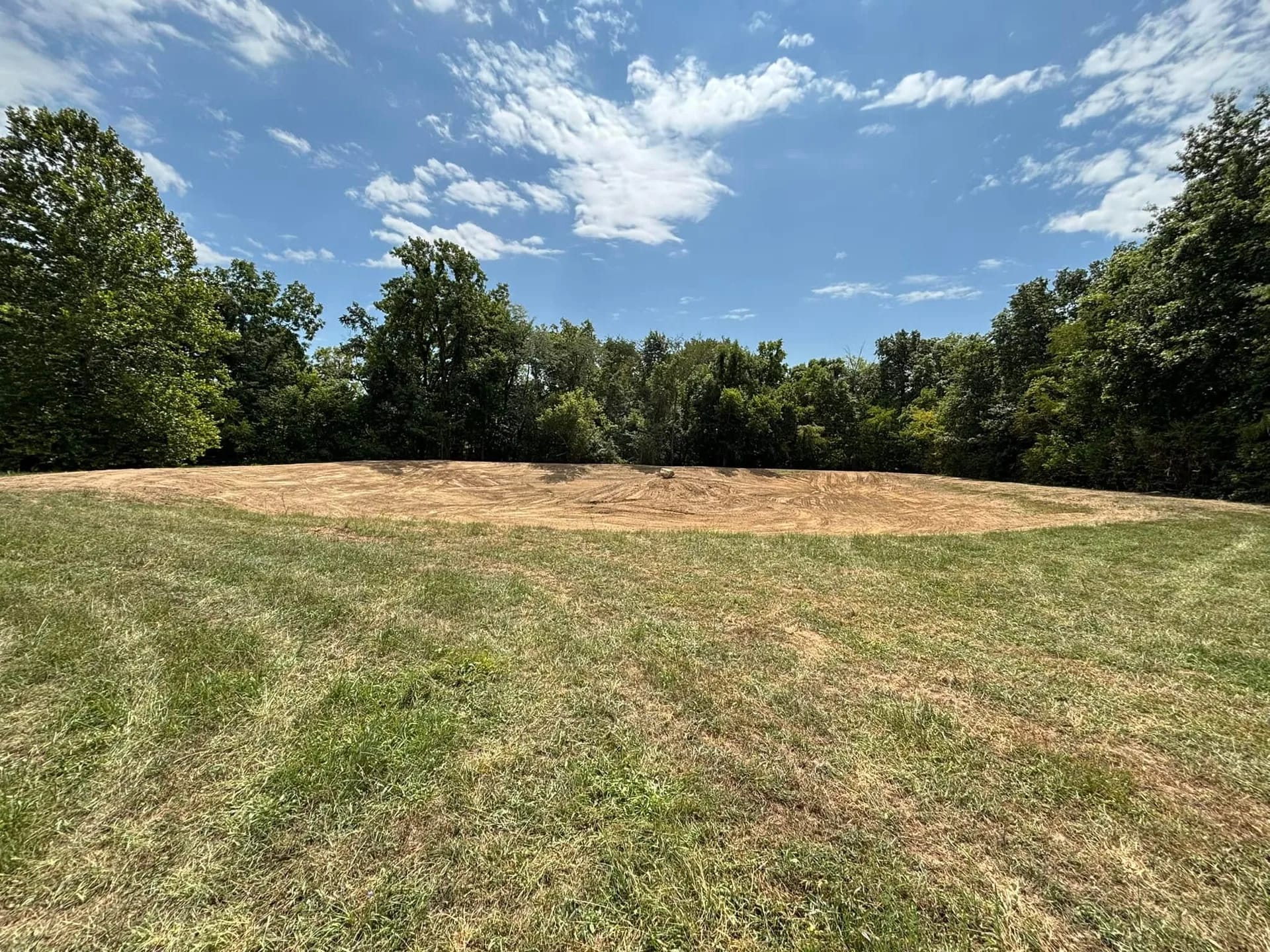
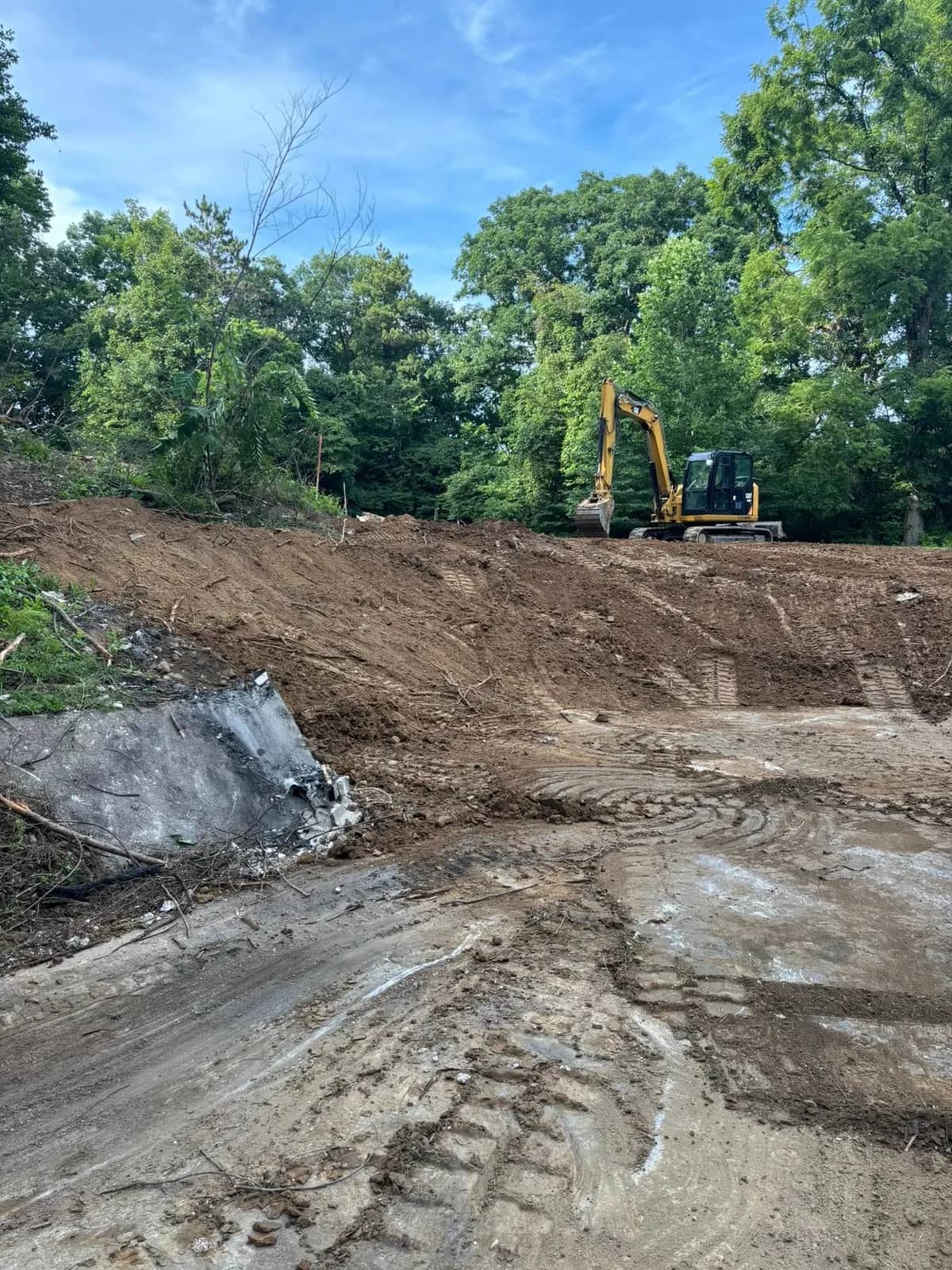
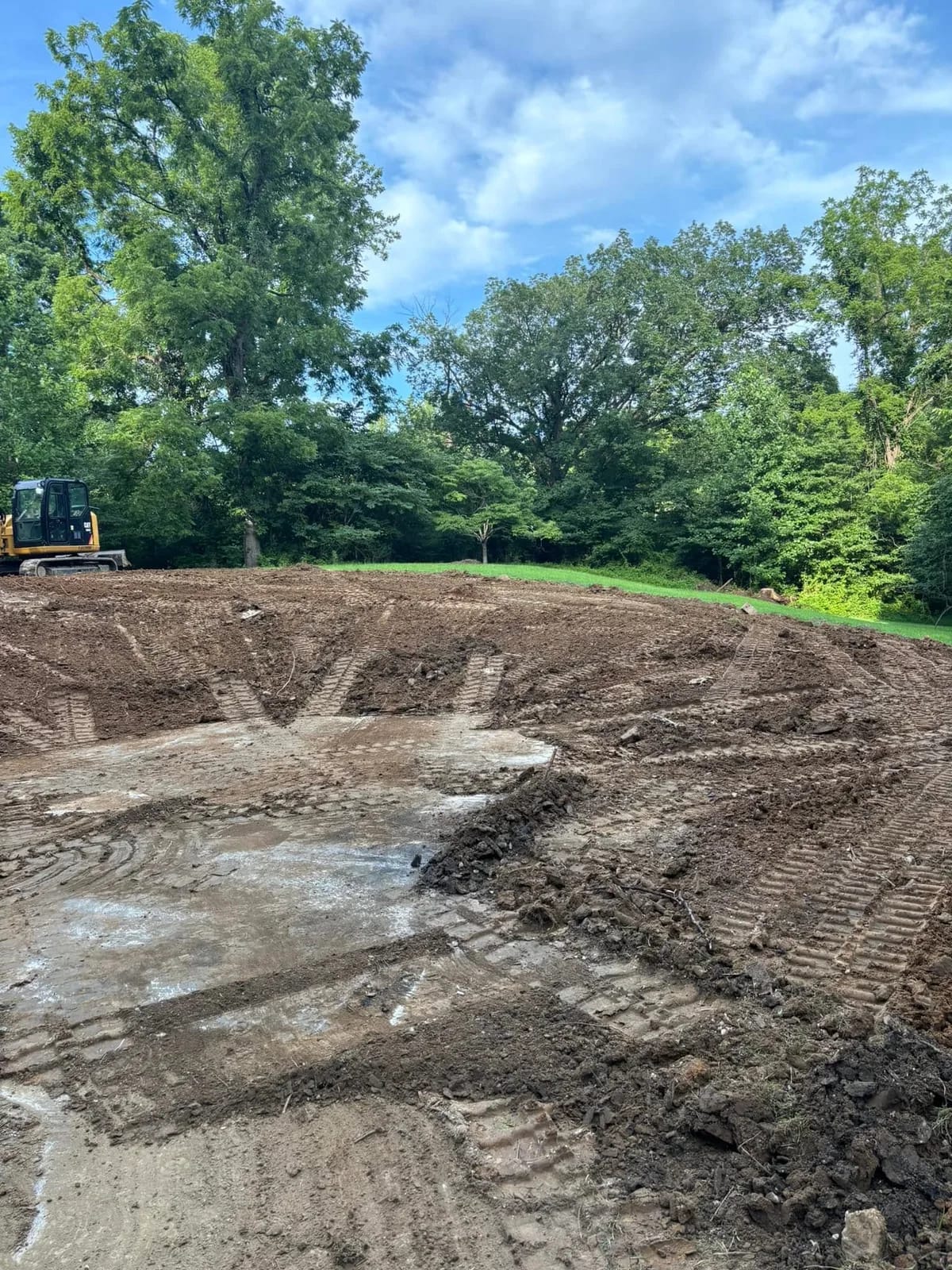
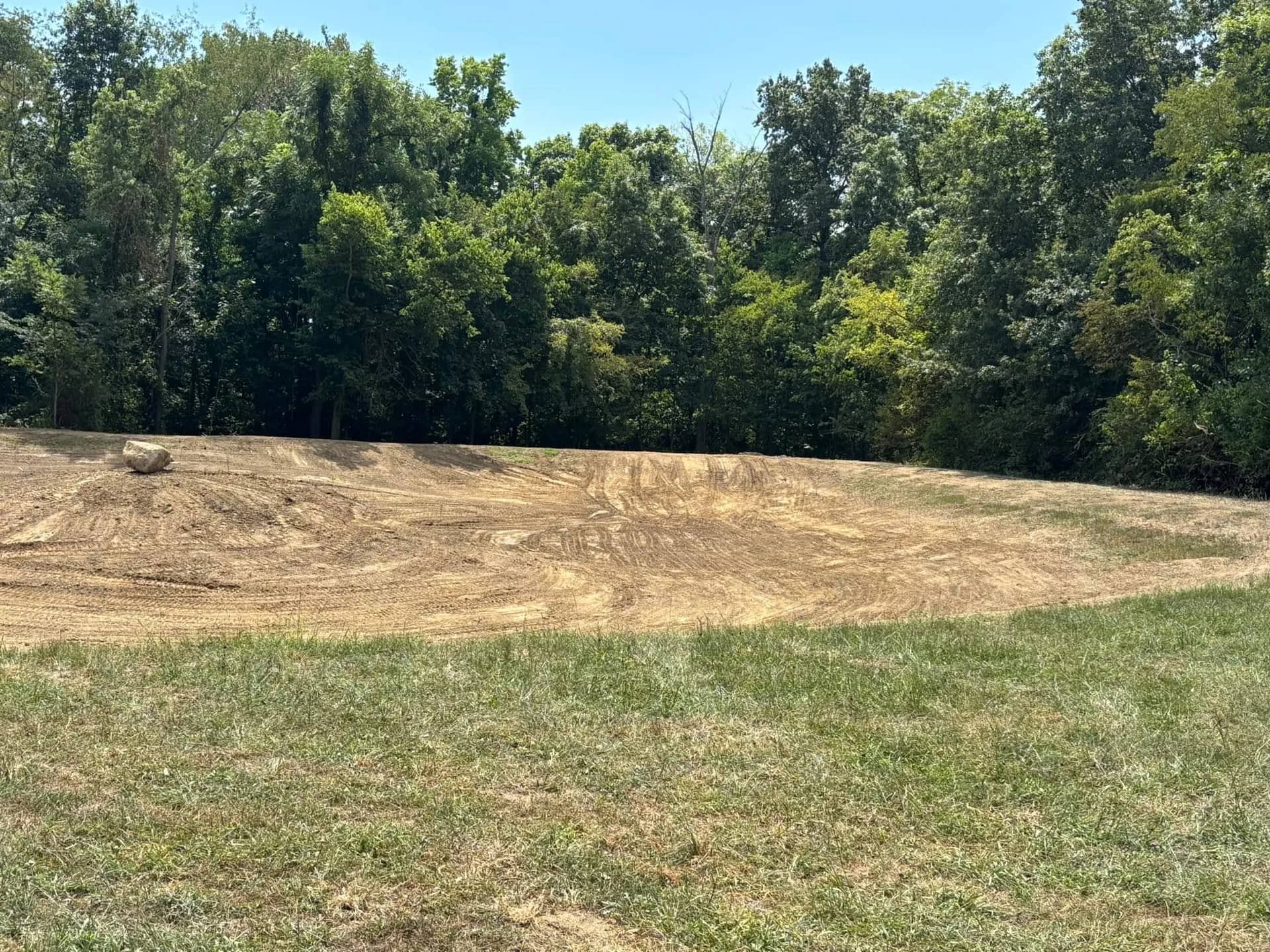 Ponds and lakes