Land and sites
Heavy Concrete Demolition in Rosedale, IN
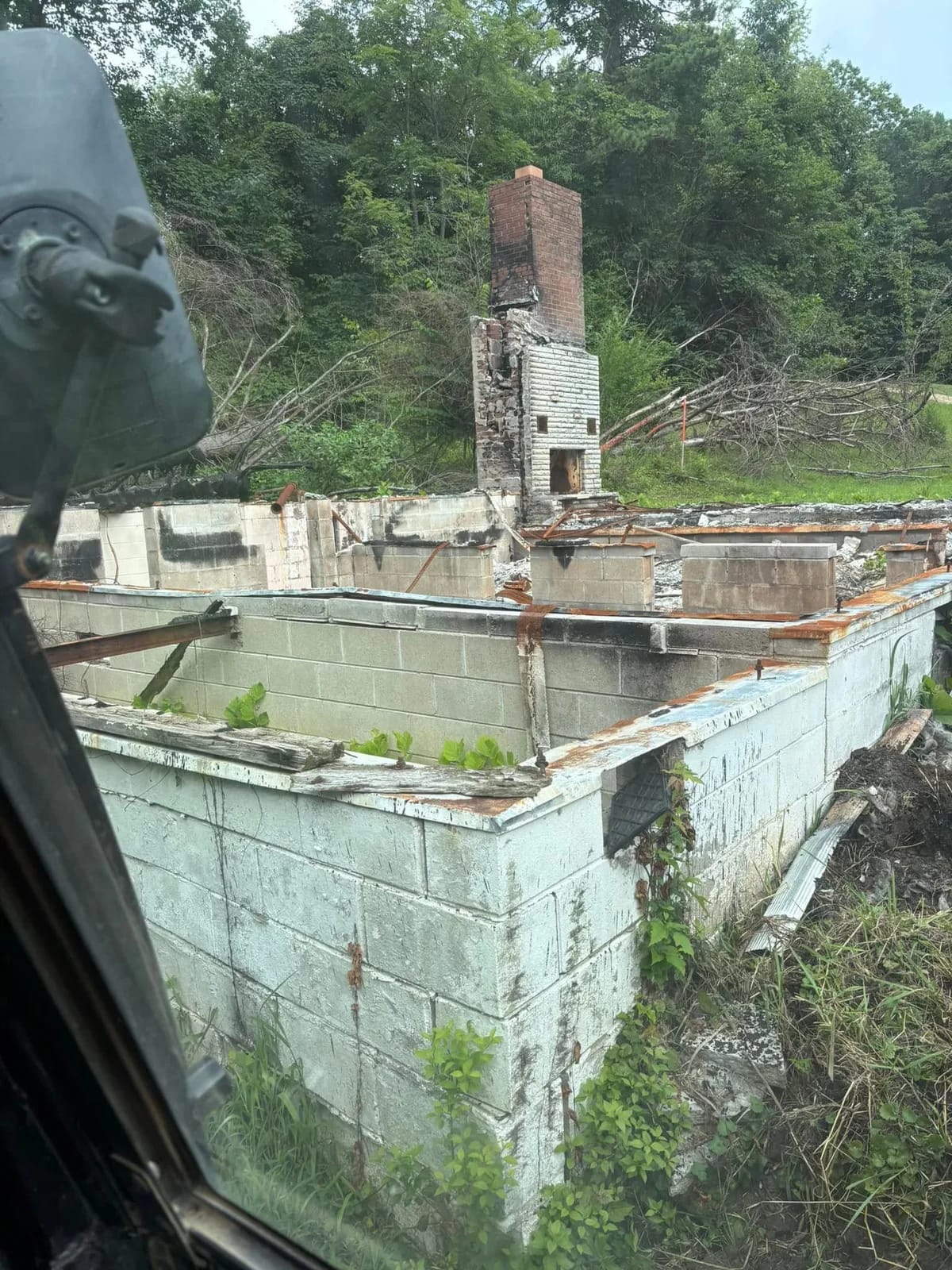
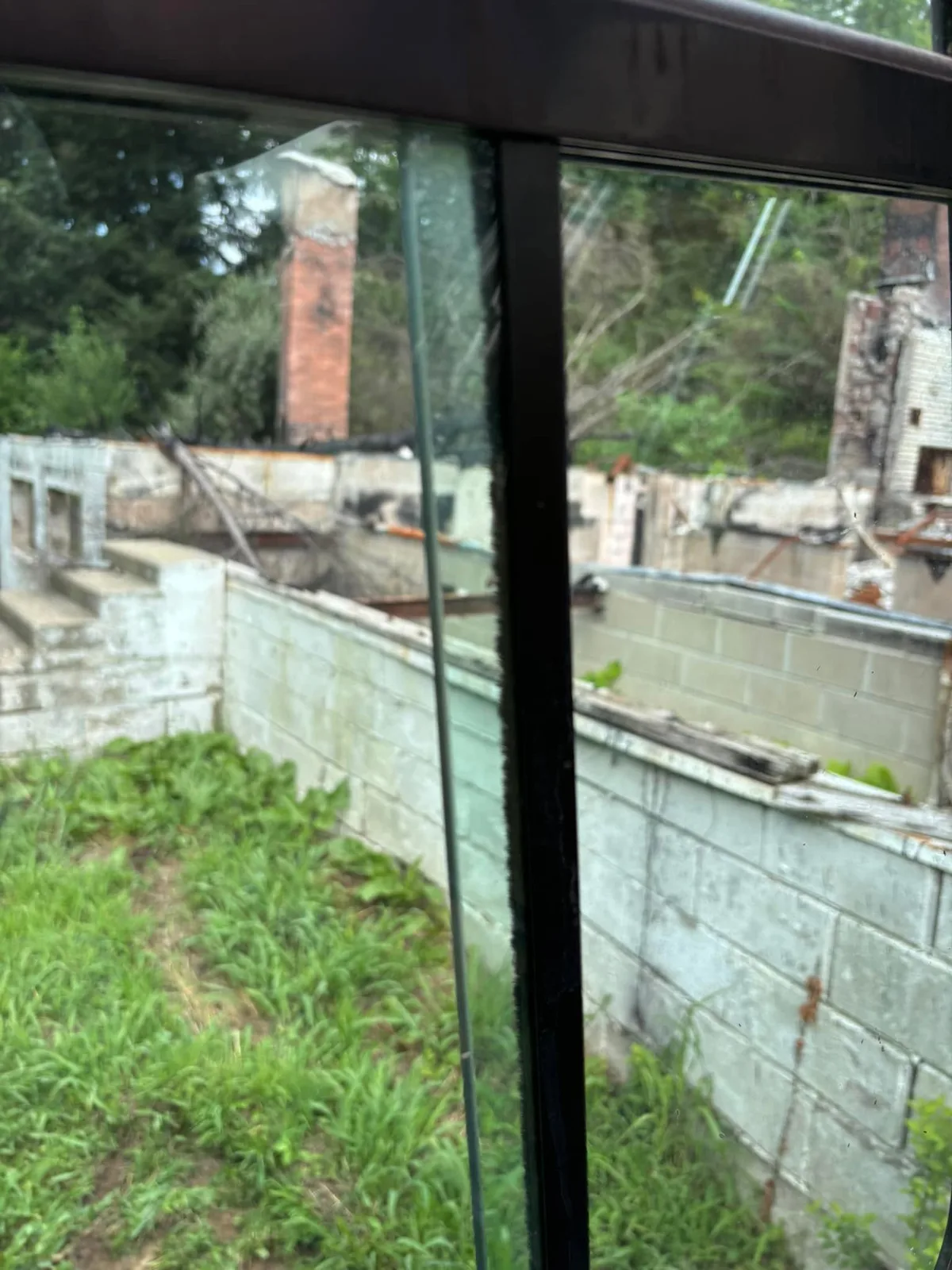
An old feedlot pad nobody's fed on in years. A barn floor that frost has heaved into a ramp. A basement and footings left behind when the house came down. If it's thick, reinforced, and big enough to need an excavator, it's the kind of concrete K&H is set up to break.
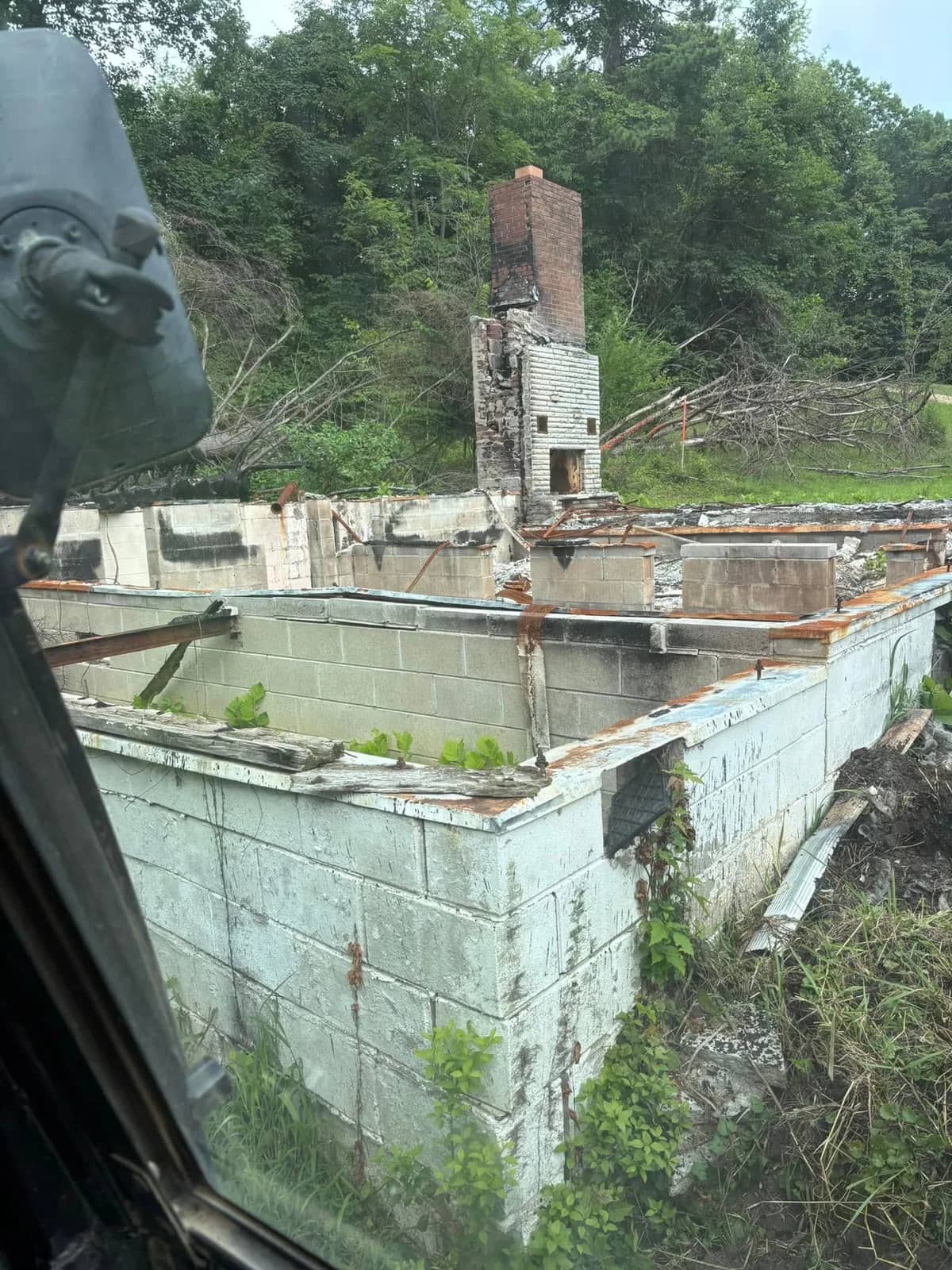
K&H Excavating does concrete demolition for farms, landowners, and commercial properties in west central Indiana, built around big work: concrete slab demolition across machine sheds and feedlots, foundations, basement walls, and block buildings. We're an excavation company based in Rosedale, run by Kory Stone, who farms in Parke County and knows what a cattle lot's concrete goes through. Parke County alone carried about 8,400 head of cattle at the 2022 Census of Agriculture, and plenty of farms here still have a lot pad or barn floor poured decades ago. Kory breaks concrete with an excavator, separates out the rebar and mesh, loads it on K&H's trucks, and backfills the hole so the ground is usable again. He's not chasing patios and sidewalks. Call or text Kory at (765) 548-3704 if you've got a big slab, pad, or foundation to get rid of.
When to call
Signs Your Old Concrete Has to Go
Broken concrete only gets worse once water gets under it. Every freeze lifts the slabs a little more, and on a farm the tractor tires and hooves keep finding the edges. A cracked pad that drains the wrong way puts manure water where you don't want it. Leaving an old slab in place under new construction usually costs more later, when the builder runs into it. The best time to get rid of it is before the next project is staked.
- Frost has heaved a barn or shop floor until doors bind and water pools in the low spots.
- A feedlot or barn-lot pad has broken into chunks the skid loader keeps catching.
- You're building new where an old foundation, basement, or footing still sits in the ground.
- A block wall or block building is bowing, cracked through, or no longer worth patching.
- Concrete floor demolition is the last step before a machine shed or barn gets a new floor at a new height.
- The farm is being sold or split, and the buyer wants old pads and foundations out so the ground can be farmed or built on.
- Old concrete is sitting in a field or fence row where it keeps damaging equipment.
What's included
What Our Concrete Demolition and Removal Includes
Concrete demolition and removal at K&H means breaking it, separating the steel, getting it off your property, and leaving the ground filled and graded behind it.
Breaking the Slab or Wall
Thick concrete comes apart with a hydraulic breaker (a hammer) on an excavator, which cracks slabs and foundations into pieces a truck can carry. When the job calls for one, a pulverizer crushes concrete between a fixed jaw and a moving jaw and cuts rebar as it goes. Caterpillar notes that big hammers can reduce whole buildings to "easily disposed or resold aggregate." For concrete wall demolition on a basement or block building, Kory works the wall from the top down and pulls it in, away from anything that's staying.
Pulling the Rebar and Wire Mesh
Farm and commercial slabs often carry rebar or welded wire mesh. A pulverizer's rebar knives, or a thumb or grapple on the excavator, strip and sort steel from the broken concrete as it's loaded. The steel goes to scrap, and the concrete loads cleaner and stacks tighter on the truck. Steel that's tangled through a basement wall comes out as the wall comes apart, not afterward with a torch.
Recycling Instead of Burying
Broken concrete is useful material. The Federal Highway Administration notes that crushing systems with magnetic separators remove reinforcing steel "without much difficulty," and that reclaimed concrete serves as granular aggregate for base and trench backfill (FHWA, recycled concrete). Kory will tell you where your broken concrete is headed, and if you'd rather keep the rubble for a farm lane base or a washout, say so when he measures the job.
Backfill, Compaction, and Grade
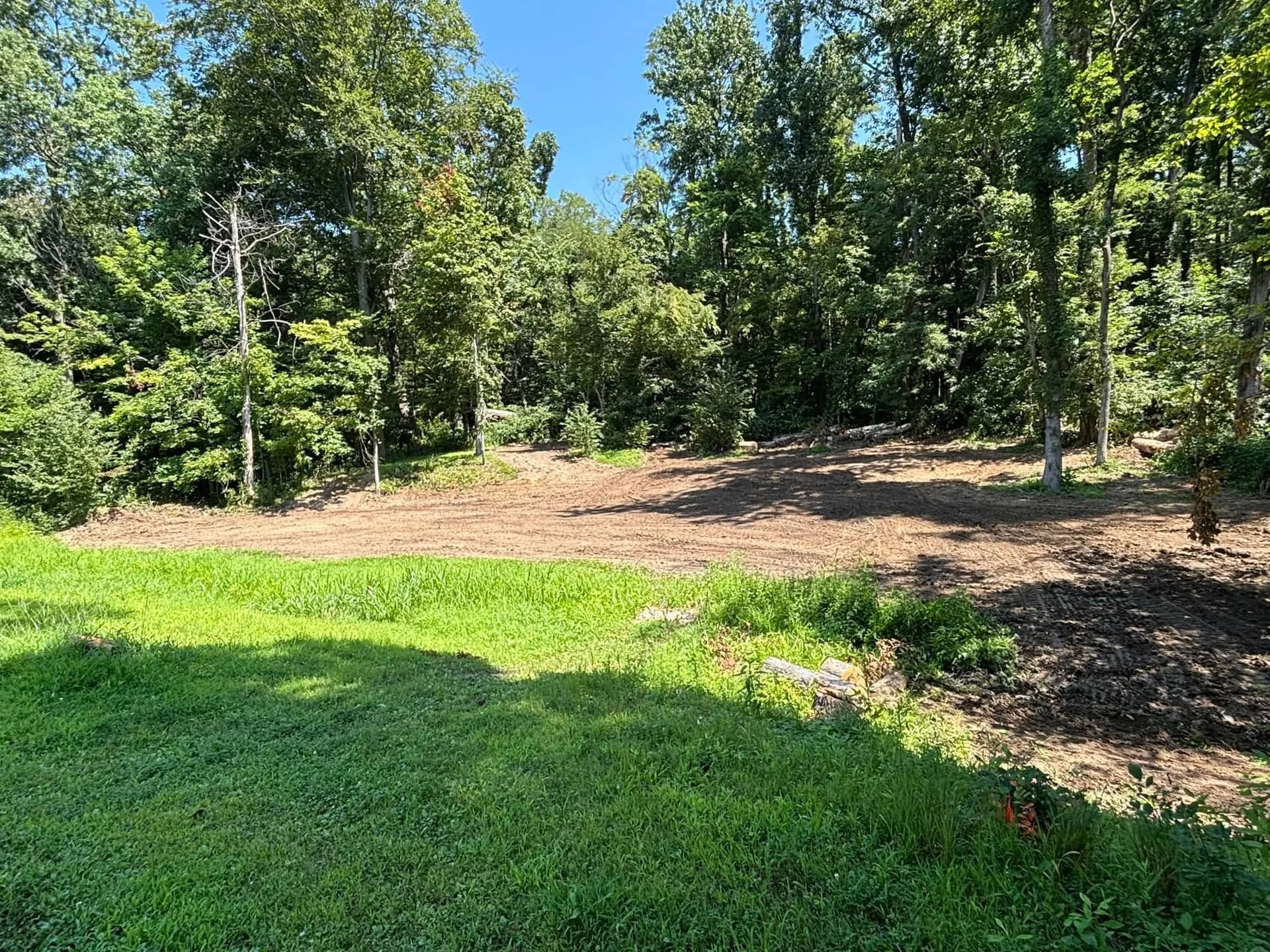
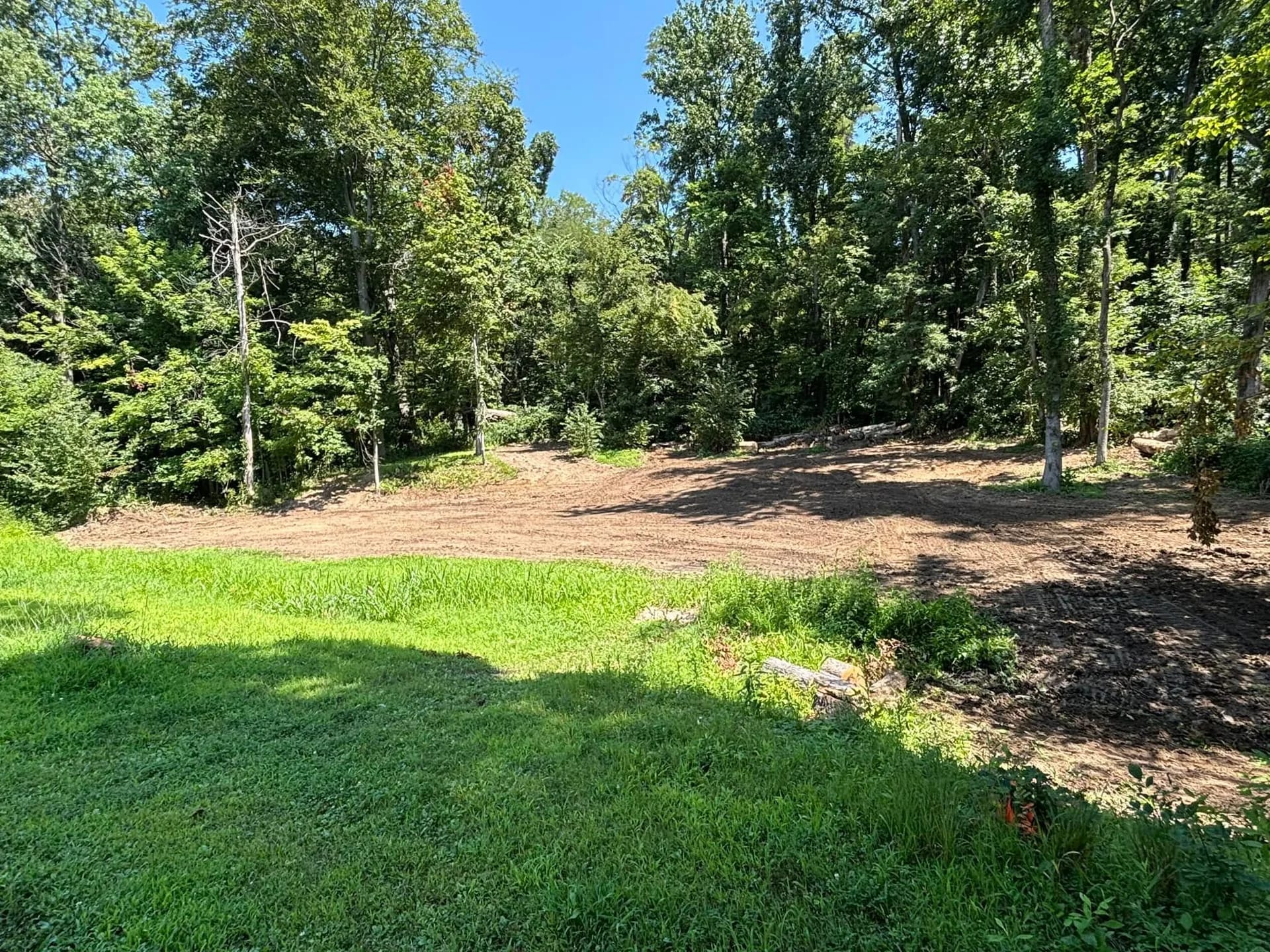
Removing a slab or foundation leaves a void, and a basement leaves a hole. Kory fills it in compacted layers with the dozer and grades the surface so water runs away from whatever comes next. Your field drive gets dressed back up, and any rutted ground the trucks crossed gets smoothed before K&H pulls out.
Local ground
The Concrete Problems We See Most in West Central Indiana
A pad poured in sections, years apart, can change thickness and steel from one end to the other. Kory looks for clues on the walk-through, like exposed edges, old saw cuts, and how the slab has broken. If something can't be judged from the surface, he says so before he prices it.
Indiana's dig law covers demolition as well as excavation, and requires a locate request at least two full working days before work starts (Indiana 811 requirement, IURC). Kory places it. Also show him any water lines to hydrants or tanks, or buried electric to an outbuilding, that you or a past owner put in yourselves.
In Clay and Vigo counties, a lot of ground was strip-mined for coal. IDNR warns that mine spoil is much looser than the original ground and hard to build on. A basement or concrete wall demolition job there should be backfilled with care, because what goes in the hole decides how the ground behaves later. Building on that spot afterward? See building site preparation.
A dump truck full of broken concrete is heavy, and April and May average about 4.7 inches of rain each at Terre Haute. Kory would rather haul across frozen ground in January through March, or a dry stretch in summer and fall, than leave ruts across a hayfield. If the concrete is part of a bigger teardown, our building demolition page covers the asbestos and notice steps that come first.
Why K&H
Why Landowners Pick K&H for Big Concrete Jobs
Plenty of concrete removal contractors are set up for driveways and patios. K&H is set up for the pad under the hog barn and the foundation of a building that's already gone.
Breaking a thick, reinforced slab with a skid steer is slow and hard on the machine. K&H brings excavators to break and load, and a dozer to backfill and grade.
Concrete is heavy, and hauling is often the biggest line in the job. K&H hauls with its own trucks, so loads leave as the slab breaks and the pile never sits for weeks.
Kory measures the concrete, gives you the price, runs the excavator, and walks the finished site with you. You talk to the same person from the first call to the last load.
Kory's family has farmed cattle and hay in Parke County, so he's spent plenty of time around lots and machine sheds. He knows a feedlot pad has to come out without wrecking the fence, the waterer, or the bunks you're keeping. Read about Kory and how K&H works.
How it works
How Our Concrete Demolition Works
Step 1 — Measure It With Kory
Kory walks the concrete with you, measures the area, checks exposed edges for thickness and steel, and asks what the ground is for afterward: pasture, crops, a new building, or a parking area. That answer decides how deep he digs and how the site gets finished. A written quote follows the visit.
Step 2 — Locates and Lines
Kory places the Indiana 811 request and waits the two full working days the law requires. You show him private lines, and any power or water to a building that's staying gets protected or shut off. If the concrete is the floor of a building that's also coming down, the asbestos inspection and IDEM notice happen first.
Step 3 — Break and Separate
The excavator breaks the concrete with a hammer or pulverizer and pulls it into piles, with rebar and mesh sorted out as it goes. Where part of a slab or wall stays, Kory sets the break line before the hammer starts.
Step 4 — Haul and Backfill
Trucks carry the concrete to recycling and the steel to scrap. The dozer fills the void in compacted layers and grades the surface so it sheds water.
Step 5 — The Final Walk-Around with Kory
You walk the site with Kory and check the grade, the fill, the fences, and the field drive. Where there used to be broken concrete, you've got clean, workable ground.
How we quote
How Much Does Concrete Demolition Cost in West Central Indiana?
K&H prices concrete work per job after Kory measures it, because square footage alone doesn't set the price. A 6-inch reinforced feedlot pad and a 4-inch shop floor of the same size are very different jobs.
Payment is by cash, check, or credit card.
What changes your concrete demolition cost
- Area and thickness. More concrete means more breaking, more loads, and more fill.
- Steel. Rebar and mesh take time to separate and handle.
- Foundations and basements. Below-grade walls and footings mean digging, and the hole needs backfill.
- Haul distance to the recycler, and any recycling or disposal fees.
- Access. Tight spots beside buildings that stay, overhead lines, and soft ground slow the work.
- Fill. How much is needed to bring the ground back to grade, and where it comes from.
Quoted separately
- Taking down the building that sits on the slab (commercial and agricultural demolition)
- Asbestos inspection, IDEM notice, and abatement when the concrete is part of a building teardown
- Utility disconnects and capping by the providers
Related work
Often Paired With Concrete Demolition
Concrete rarely comes out by itself. These usually come up next.
Commercial & Agricultural Demolition
The slab is often the last thing left from a barn, hog house, or commercial building. Kory takes the structure down and the concrete out in one mobilization. See commercial and agricultural demolition.
Building Site Preparation
Once the old foundation is gone, the ground can be cleared and rough-graded for a new house or building on acreage. See building site preparation for a new home or building.
General Excavation
Removing concrete often leads to moving dirt: filling an old basement, cutting a swale, or reshaping a lot for drainage. See general excavation and dirt work.
More in Demolition: Demolition · Commercial & Agricultural Demolition
Where we work
Concrete Demolition Across the Wabash Valley and West Central Indiana
K&H works out of Rosedale in Parke County, takes concrete demolition jobs within about 50 miles as a matter of course, and goes up to about 75 miles for big jobs, into eastern Illinois. Most of the work is in Parke, Vigo, Clay, Vermillion, and Putnam counties. County roads out of Rosedale reach IN-59, which runs south through Brazil to I-70 and IN-46, the road through Spencer into Bloomington. US-41 south takes the trucks into Terre Haute, where I-70 heads east toward Indianapolis. US-41 north through Rockville meets I-74 at Veedersburg on the way to Lafayette. To the west, IN-163 crosses the Wabash at Clinton.
Hauling distance matters more on concrete than almost anything K&H does, because every load is heavy and the recycler is part of the route. That's why Kory asks where the job is before he prices it. The ground varies across the area, too: glacial till across most of Parke and Putnam counties, old mine spoil in parts of Clay and Vigo, and limestone country once you get toward Bloomington.
Need concrete removal near Terre Haute or a slab broken out in Clay County? We serve Rosedale, Terre Haute, Bloomington, Lafayette, and Indianapolis. See all of K&H's excavation services.
Not sure your job is in range? Call or text Kory at (765) 548-3704.
Questions
Concrete Demolition FAQ
How much does concrete demolition cost?
Concrete demolition cost comes down to area, thickness, steel, haul distance, and how much fill the ground needs afterward. Kory gives you a written price after measuring the job, at no charge. A reinforced foundation with a basement costs more to remove than a thin floor of the same footprint.
Do you take small jobs like patios and sidewalks?
K&H is built for large concrete: feedlot pads, barn and shed floors, foundations, and block buildings. Small residential jobs usually fit a smaller outfit better. If a patio is part of a bigger job on the same property, Kory will take it out with the rest.
Is your concrete removal service set up to recycle?
Yes, where it's practical. Rebar and mesh are separated for scrap, and the concrete can go to a recycler that crushes it into aggregate when one makes sense for the haul. The FHWA notes reclaimed concrete works as granular aggregate for base and trench backfill. If you want rubble kept on the farm for a lane base, Kory can leave it.
Can you remove a foundation or basement walls?
Yes. Kory breaks the walls and footings with the excavator, pulls them out or breaks them in, and backfills the hole in compacted layers with the dozer. If you plan to build on the spot later, tell him, because the plan for fill and compaction changes. Your builder or engineer may also want to set the fill requirements.
Will concrete floor demolition tear up my yard or field?
Loaded trucks are heavy, so Kory plans the haul route on the walk-through and avoids soft ground when he can. Winter, from January through March, is often the best time, because frozen ground carries the trucks. Ruts the trucks do leave get smoothed before K&H leaves the site.
Do I need a permit or a locate before concrete is removed?
Indiana's dig law covers demolition, so a locate request has to go in at least two full working days before work starts, and Kory places it. If the concrete is part of a building teardown, Indiana's asbestos inspection and 10-working-day notice rules apply to most buildings first. Kory will tell you on the walk-through if a local permit is likely, but the property owner is the permit holder.
What should I ask concrete demolition contractors before hiring one?
Ask what machine they'll use to break it, whether steel gets separated, where the concrete goes, and whether backfill and grading are included. At K&H, the answers start with excavators and dozers — no skid steers — and debris hauled on our own trucks. Ask who runs the machine, too: here it's Kory himself, on every job. Then ask to see a site they finished a year ago.
Ask Kory About My Concrete
Still have a question about concrete demolition? Call or text Kory at (765) 548-3704.
Call or text
Ask Kory about concrete demolition
(765) 548-3704Calls and texts answered Monday to Saturday, 8 a.m. to 6 p.m. Text a few photos of the property and Kory can give you a head start before the site walk.
Get a free estimateFree estimate
Let's Turn That Old Concrete Into Usable Ground
Show Kory the slab, pad, or foundation that's in your way. He'll measure it, tell you where it's going, and give you one price to break it, haul it, and grade the ground behind it. Reach him through our contact page, or call or text directly.